World Trade Center (1973–2001)
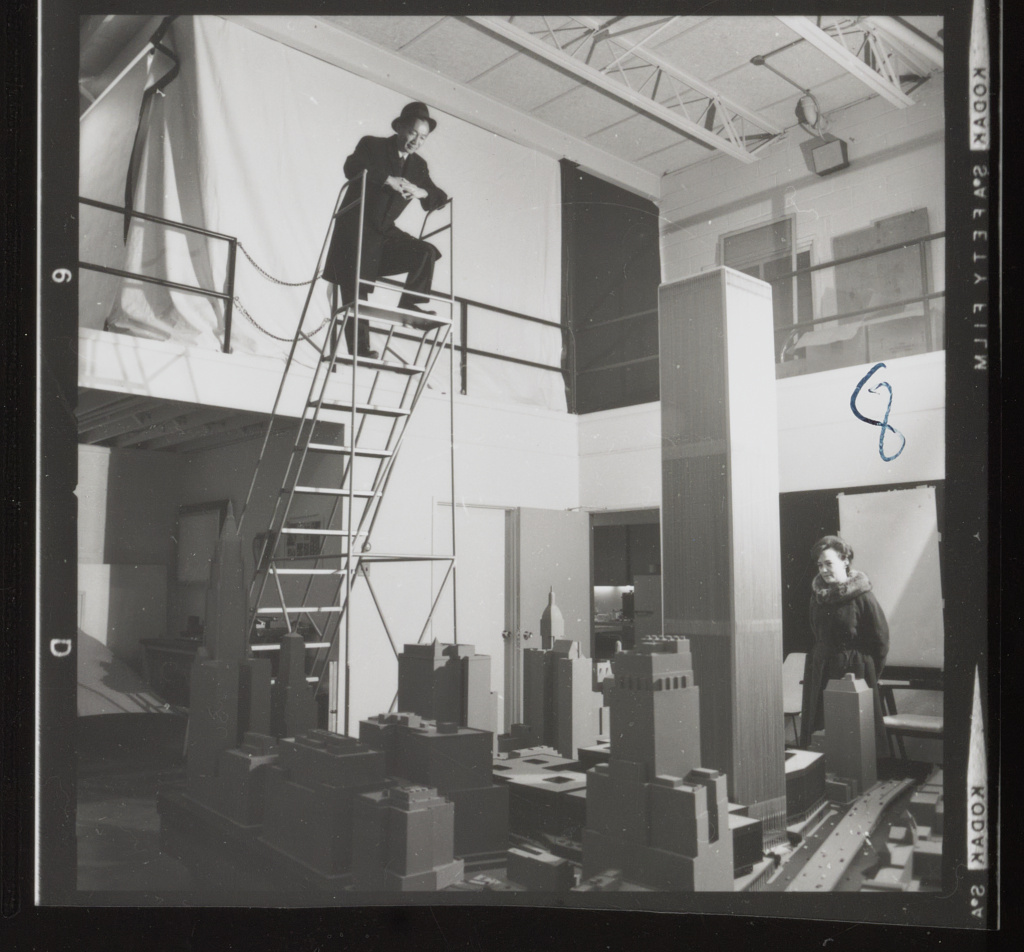
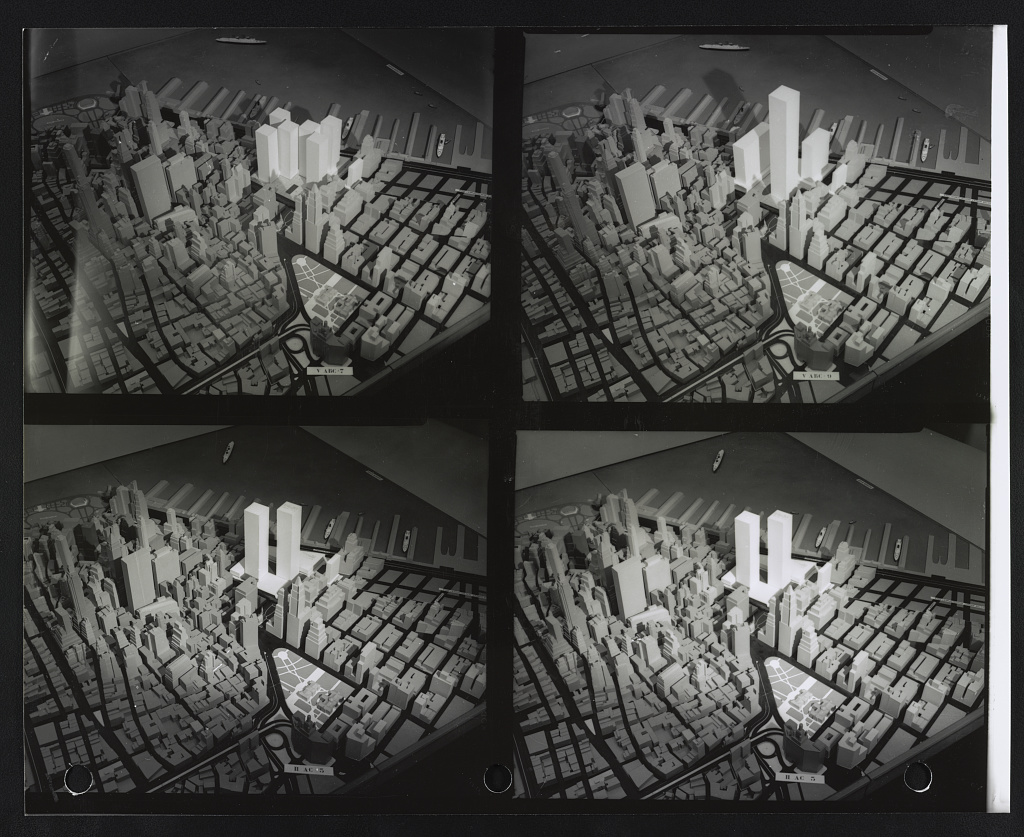
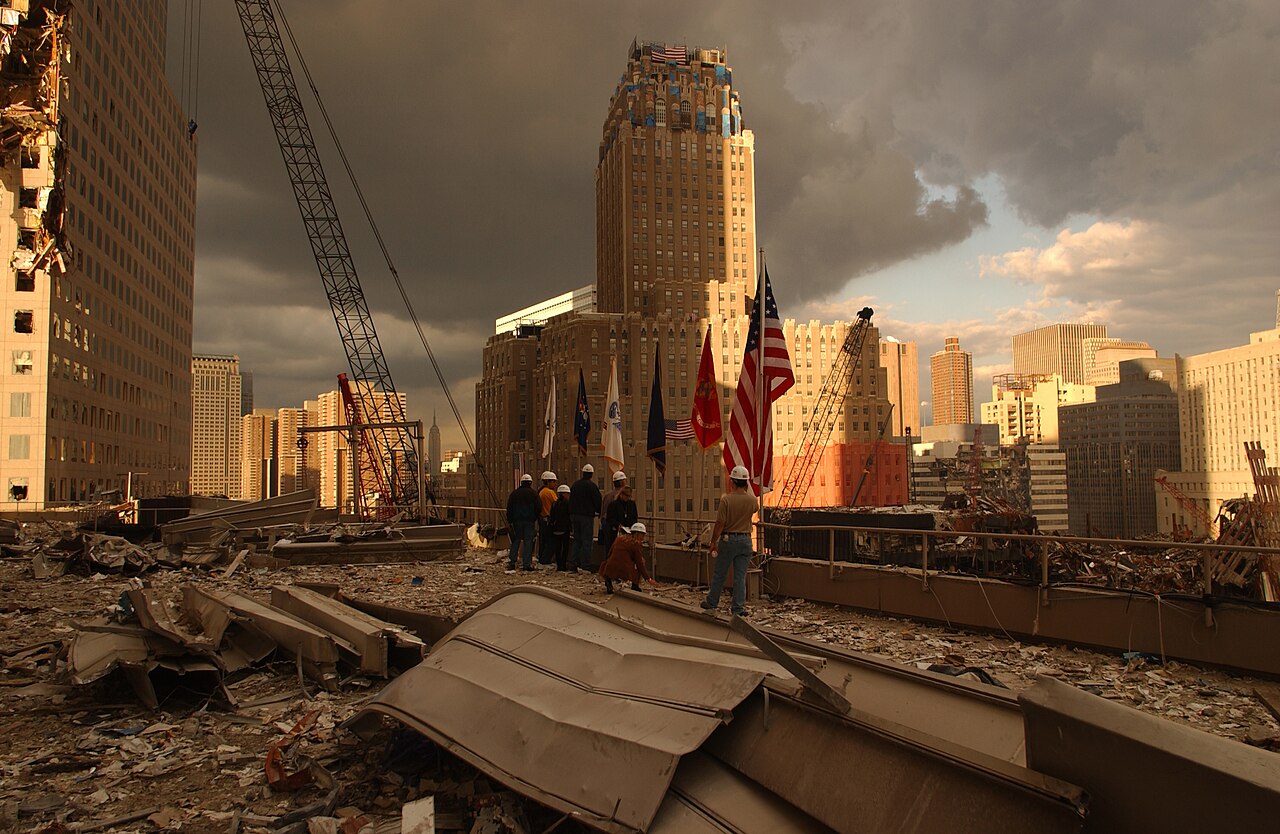
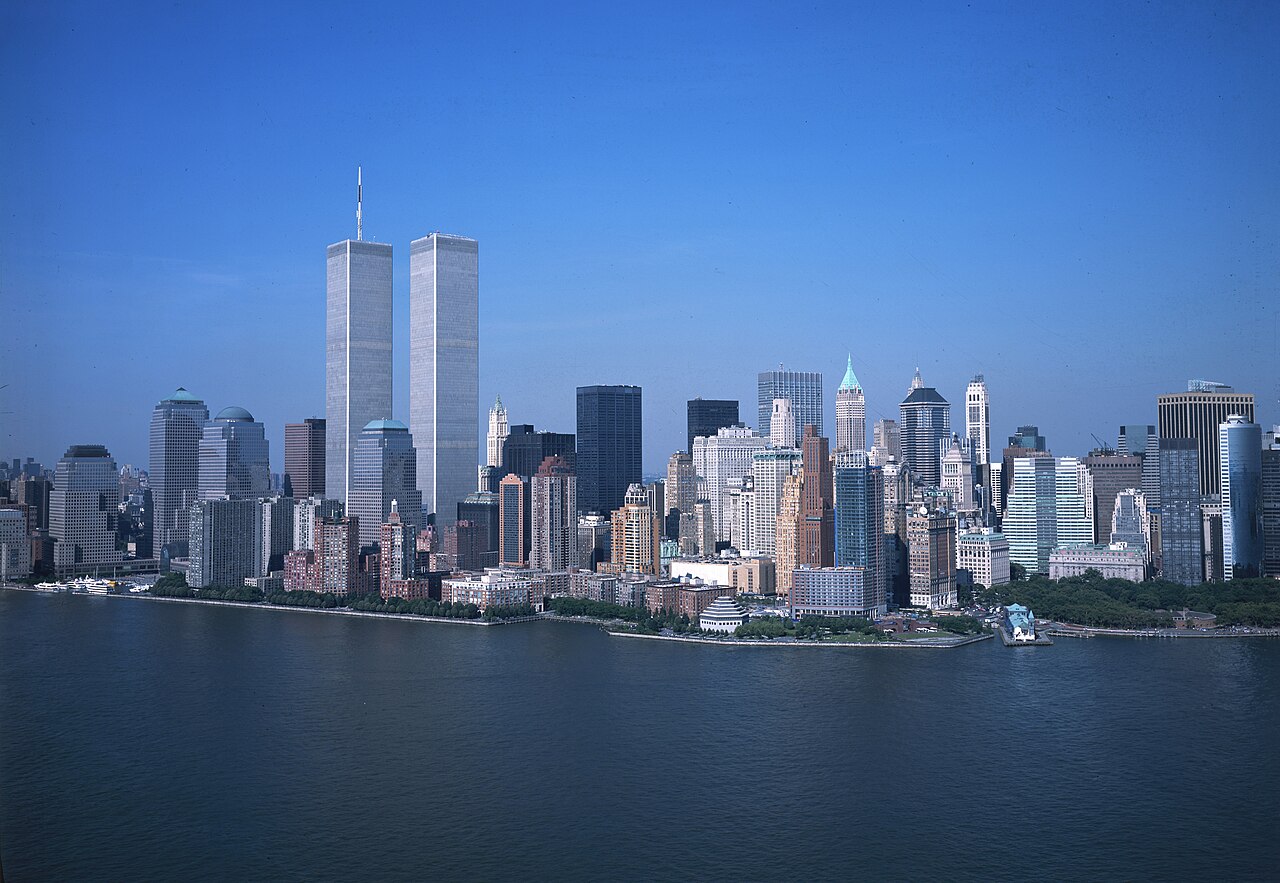
The World Trade Center was a seven-building complex in Lower Manhattan’s Financial District, constructed primarily between 1966 and 1975 and dedicated on April 4, 1973. Its centerpieces were the 110-story Twin Towers, which upon completion were the tallest buildings in the world and remained the tallest twin skyscrapers until 1996. The complex also included the Marriott World Trade Center (3 WTC), 4 WTC, 5 WTC, 6 WTC, and 7 WTC, containing 13.4 million square feet of office space and projected to accommodate roughly 130,000 people. The core complex cost about $400 million. David Rockefeller proposed the project to stimulate urban renewal in Lower Manhattan, and his brother, Governor Nelson Rockefeller, signed the enabling legislation. The buildings were designed by Minoru Yamasaki. In 1998, the Port Authority privatized the complex by leasing it to Silverstein Properties. The Twin Towers initially faced criticism from New Yorkers and architectural critics but became a global icon of New York City, appearing in an estimated 472 films. They were also the site of Philippe Petit’s 1974 tightrope walk. The complex was targeted by a 1975 fire, a 1993 bombing, and a 1998 bank robbery. On September 11, 2001, al-Qaeda hijackers flew two Boeing 767 jets into the towers seventeen minutes apart, with between 16,400 and 18,000 people inside. The resulting fires and structural damage caused both towers to collapse, killing 2,606 people in and around them, plus all 157 aboard the aircraft. Falling debris and fires destroyed all other WTC buildings, including 7 World Trade Center, and severely damaged ten nearby structures. Cleanup took eight months, ending with a ceremonial removal of the last steel beam on May 30, 2002. A new complex has since been built, including One World Trade Center, a memorial with two reflecting pools where the towers stood, a museum, a transit hub, and an elevated park.
Lore & Background
David Rockefeller suggested the construction to stimulate urban renewal in Lower Manhattan, and his brother Nelson, then New York's governor, signed the legislation to build it. The site was created by landfill extending the shoreline, and Radio Row, a warehouse district of electronics stores, existed there before demolition began in March 1966. Falling debris and fires led to the collapse of all WTC complex buildings and catastrophic damage to 10 other large structures.
Reader's Guide
The World Trade Center complex, built between 1966 and 1975, was designed by architect Minoru Yamasaki and conceived by David Rockefeller to spur urban renewal in Lower Manhattan, with enabling legislation signed by his brother, Governor Nelson Rockefeller. Its seven buildings included the 110-story Twin Towers, which upon completion were the tallest in the world and remained the tallest twin skyscrapers until 1996. The complex contained vast office space and was projected to hold an estimated 130,000 people. It became a global symbol of American economic power and prosperity, and despite initial criticism from New Yorkers and architectural critics, the Twin Towers grew into an iconic landmark of New York City. Their cultural significance was immense, appearing in hundreds of films and serving as the stage for Philippe Petit’s tightrope walk in 1974. The complex was also a target for crime and terrorism, including a 1975 fire, a 1993 bombing, and a 1998 bank robbery. On September 11, 2001, coordinated hijackings of two Boeing 767 jets struck both towers, causing fires intensified by jet fuel that led to their collapse, killing over 2,600 people in and around the towers plus all aboard the aircraft. The destruction also caused the partial or complete collapse of all other WTC buildings and damaged ten nearby structures. The eight-month cleanup ended with the ceremonial removal of the last steel piece in 2002. A new complex has since been built, including a memorial with reflecting pools where the towers stood, a museum, a transit hub, and an elevated park. One World Trade Center, the tallest building in the Western Hemisphere, opened in 2014. The attacks and the complex’s legacy profoundly altered its depictions in media, with many references removed and dozens of memorial films created.
Did You Know?
- The site was created by landfill extending the shoreline, and Radio Row existed there before demolition.
Architectural Ambition and the Race to the Sky
The square footprint measured roughly two hundred and eight feet per side. At one thousand three hundred and sixty-eight feet, the building held the title of world's tallest structure until Chicago's Sears Tower surpassed it the following year. A three-hundred-and-sixty-foot telecommunications antenna brought the total height to one thousand seven hundred and twenty-eight feet. The North Tower stood six feet taller than its South Tower twin because floors forty-three and sixty-seven were built extra-tall for Port Authority use.
Life, Fire, and the Shadow of Violence
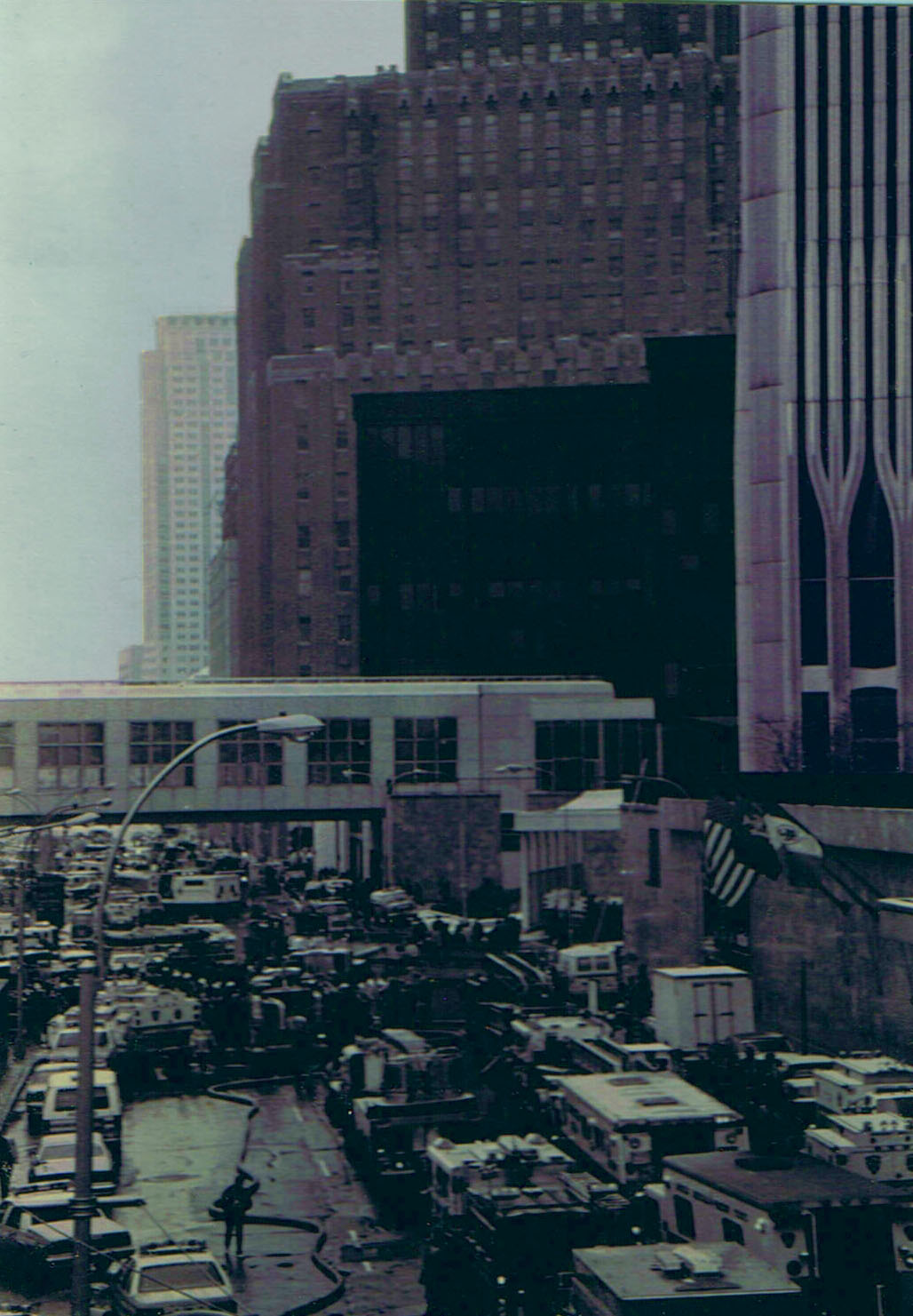
The North Tower was far more than an office block. Its uppermost levels housed Windows on the World, a sprawling complex of dining rooms, bars, meeting spaces, and entertainment venues. The one-hundred-and-sixth floor was tailored for private events, corporate gatherings, and weddings, while the one-hundred-and-seventh floor held the principal dining rooms and bars. Yet the building's history was marred by violence. At the time, the World Trade Center had no sprinkler systems. The conspirators had aimed to topple the North Tower into the South. Six people were killed and over a thousand injured.
One Hundred and Two Minutes
At 8:46 a.m. The South Tower gave way at 9:59 a.m. after burning for roughly fifty-six minutes. The North Tower endured one hundred and two minutes of fire before structural failure brought it down at 10:28 a.m. The falling debris struck the nearby 7 World Trade Center, igniting fires that burned for hours and ultimately caused that building to collapse at 5:21 p.m. The attacks, which also struck the Pentagon in Arlington, Virginia, and ended in a passenger revolt that brought a plane down in Shanksville, Pennsylvania, killed a total of two thousand nine hundred and ninety-six people. Of those, approximately one thousand seven hundred were in the North Tower or on the ground below it. The victims included two thousand five hundred and seven civilians, three hundred and forty-three firefighters, seventy-two law enforcement officers, fifty-five military personnel, and the nineteen hijackers.
Echoes in Steel and Water
At the National September 11 Memorial & Museum, the northern reflecting pool marks the exact spot where the North Tower once rose above Lower Manhattan. The North Tower had been distinguishable from its twin by the prominent telecommunications antenna on its roof, a canopy attached to its west facade at street level, and two pedestrian walkways linking the promenades of Three and Six World Trade Center to the North Tower's north and south facades at plaza level—features the South Tower never had. These architectural signatures, along with the memory of Windows on the World's dining rooms and the quiet hum of ten million square feet of office space, remain woven into the story of a building that defined a skyline for nearly three decades before its destruction.
Gallery
Frequently Asked Questions
What was the World Trade Center (1973–2001)?
It was a seven-building complex in Lower Manhattan's Financial District, best recognized for its two supertall Twin Towers. The site functioned as a major commercial and transportation hub in New York City for nearly three decades.
Why does the World Trade Center (1973–2001) remain historically significant?
Beyond its architectural achievement, the complex embodied the postwar era of globalization and New York's role as a financial capital. Its destruction on 9/11 transformed it into a lasting memorial to the victims and a pivotal moment in modern history.
More in Architectural Landmarks 1-24
Spotted an error? Know more?
This is a living reference — every entry is fact-audited, and reader corrections feed straight into our audit queue. Suggest an edit · See this site's audit record