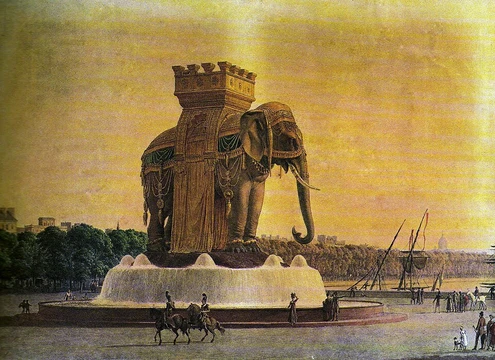
Teatro Real
The heart and main quadrangle of the University of Puerto Rico, Río Piedras.

via Wikipedia: The Quadrangle (University of Puerto Rico, Río Piedras) · see source
The Quadrangle (Spanish: El Cuadrángulo) is the heart and main quadrangle of the University of Puerto Rico, Río Piedras. Together with the Roosevelt Tower (La Torre), it is listed on the National Register of Historic Places and the Puerto Rico Register of Historic Sites and Zones as the University of Puerto Rico Tower and The Quadrangle. It is famous for its lines of Puerto Rican royal palm (Roystonea borinquena) or palma real and the architecture of its surrounding buildings.
- groundbreaking
- 23 April 1818
- opened
- 19 November 1850
- reopened_as_concert_hall
- 13 October 1966
- reopened_as_opera_house
- 11 October 1997
- floor_area
- 78,210 square metres
- maximum_capacity
- 1,958 seats
- listed_as_Bien_de_Interés_Cultural
- 1993
Lore & Background
The Quadrangle was designed by Puerto Rican architect Rafael Carmoega. The University of Puerto Rico Theater was first built on its eastern edge in 1939. The Quadrangle is the largest courtyard space in the University of Puerto Rico, Río Piedras campus. It is surrounded by buildings currently used by the University of Puerto Rico Administration and the College of Humanities. Its two most notable landmarks are the University Tower located on the western edge of the quad, and the University of Puerto Rico Theater, also known as the Roosevelt Theater, on its eastern edge. These buildings have an architectural style combining Spanish Revival styles such as Andalusian/Spanish Gothic and Baroque Revival. There is also a Banco Popular branch office and additional auditoriums.
Reader's Guide
The Quadrangle represents the union between Puerto Rican architecture with the Jeffersonian Neoclassical style often seen in American universities. Its lines of Puerto Rican royal palm (Roystonea borinquena) or palma real are a defining feature. The University Tower and the University of Puerto Rico Theater, built in 1939, anchor the western and eastern edges of the quad. The surrounding buildings house the University of Puerto Rico Administration and the College of Humanities. The Quadrangle is listed on the National Register of Historic Places and the Puerto Rico Register of Historic Sites and Zones.
Did You Know?
- The Quadrangle was designed by Puerto Rican architect Rafael Carmoega.
- The University of Puerto Rico Theater was first built on the eastern edge of the Quadrangle in 1939.
- The Quadrangle is listed on the National Register of Historic Places together with the Roosevelt Tower as the 'University of Puerto Rico Tower and The Quadrangle'.
- The Quadrangle features lines of Puerto Rican royal palm (Roystonea borinquena), also known as palma real.
- The Quadrangle is the largest courtyard space in the University of Puerto Rico, Río Piedras campus.
Architectural Vision & Cultural Fusion
The Quadrangle at the University of Puerto Rico's Río Piedras campus stands as a testament to the creative vision of Rafael Carmoega, a Puerto Rican architect who shaped the space into something uniquely hybrid. Rather than adopting a single architectural language, the design weaves together the Jeffersonian Neoclassical vocabulary familiar from American university campuses with distinctly Puerto Rican building traditions. The surrounding structures display elements of Spanish Revival, drawing on Andalusian and Spanish Gothic motifs alongside Baroque Revival flourishes. This layering of styles was no accident; it was a deliberate architectural statement that Puerto Rico could participate in the broader American academic tradition while retaining its own cultural identity. The result is a courtyard whose walls and facades tell a story of two traditions in conversation, making the space one of the most architecturally distinctive university quadrangles in the Caribbean.
Landmarks That Frame the Space
Two monumental structures anchor opposite edges of the Quadrangle, giving the courtyard its dramatic sense of enclosure. On the western side rises the University Tower, locally known simply as La Torre, a vertical landmark that dominates the skyline of the Río Piedras campus. Directly across, on the eastern edge, sits the University of Puerto Rico Theater, also called the Roosevelt Theater, which was first constructed in 1939 and has served as a performance venue for nearly a century. Between and around these two anchors, the quad is bordered by buildings that house the university's central administration and the College of Humanities. A Banco Popular branch office and several additional auditoriums complete the ring of structures. Together, these buildings create a layered streetscape where academic, administrative, and civic functions coexist around a shared open space.
Historic Recognition & Distinction
The Quadrangle and its companion landmark, the University Tower, hold a dual heritage designation that underscores their exceptional significance. They are inscribed on both the National Register of Historic Places and the Puerto Rico Register of Historic Sites and Zones, listed jointly under the name 'University of Puerto Rico Tower and The Quadrangle.' This recognition is not merely a formality; it reflects a judgment that the site embodies a rare and important chapter in architectural history. Specifically, the listing acknowledges the way the complex represents a genuine union between Puerto Rican building traditions and the Jeffersonian Neoclassical idiom that characterizes so many American university grounds. In a landscape where colonial and modernist styles often dominate, the Quadrangle's hybrid character sets it apart. Its inclusion on both federal and territorial registers signals that its story belongs to the broader national narrative of American architecture while remaining rooted in the specific cultural identity of Puerto Rico.
The Living Heart of the Campus
As the largest open courtyard on the entire Río Piedras campus, the Quadrangle functions as the beating center of daily university life. Students, faculty, and visitors converge here between classes, making it a natural social hub within the academic environment. What elevates the space beyond a simple paved plaza is its celebrated landscaping: rows of Roystonea borinquena, the Puerto Rican royal palm known locally as palma real, line the walkways and cast dappled shade across the ground. These native palms, combined with the richly detailed facades of the surrounding buildings, give the quad a visual richness that has made it one of the most photographed and admired spaces on the university grounds. The interplay of green canopy, historic masonry, and open sky creates an atmosphere that feels both stately and welcoming, reinforcing the Quadrangle's role as the campus's symbolic and physical heart.
Gallery
Frequently Asked Questions
What is Teatro Real and where is it located?
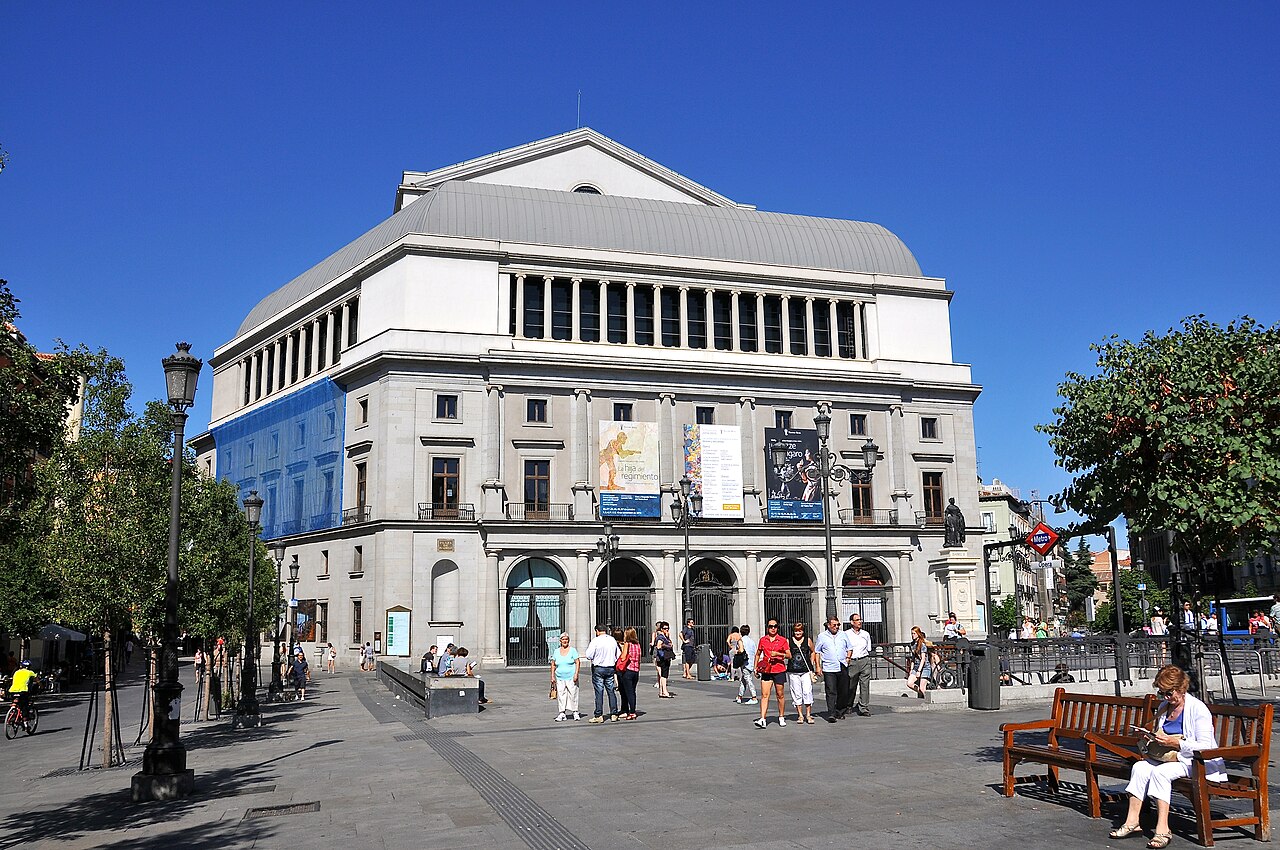
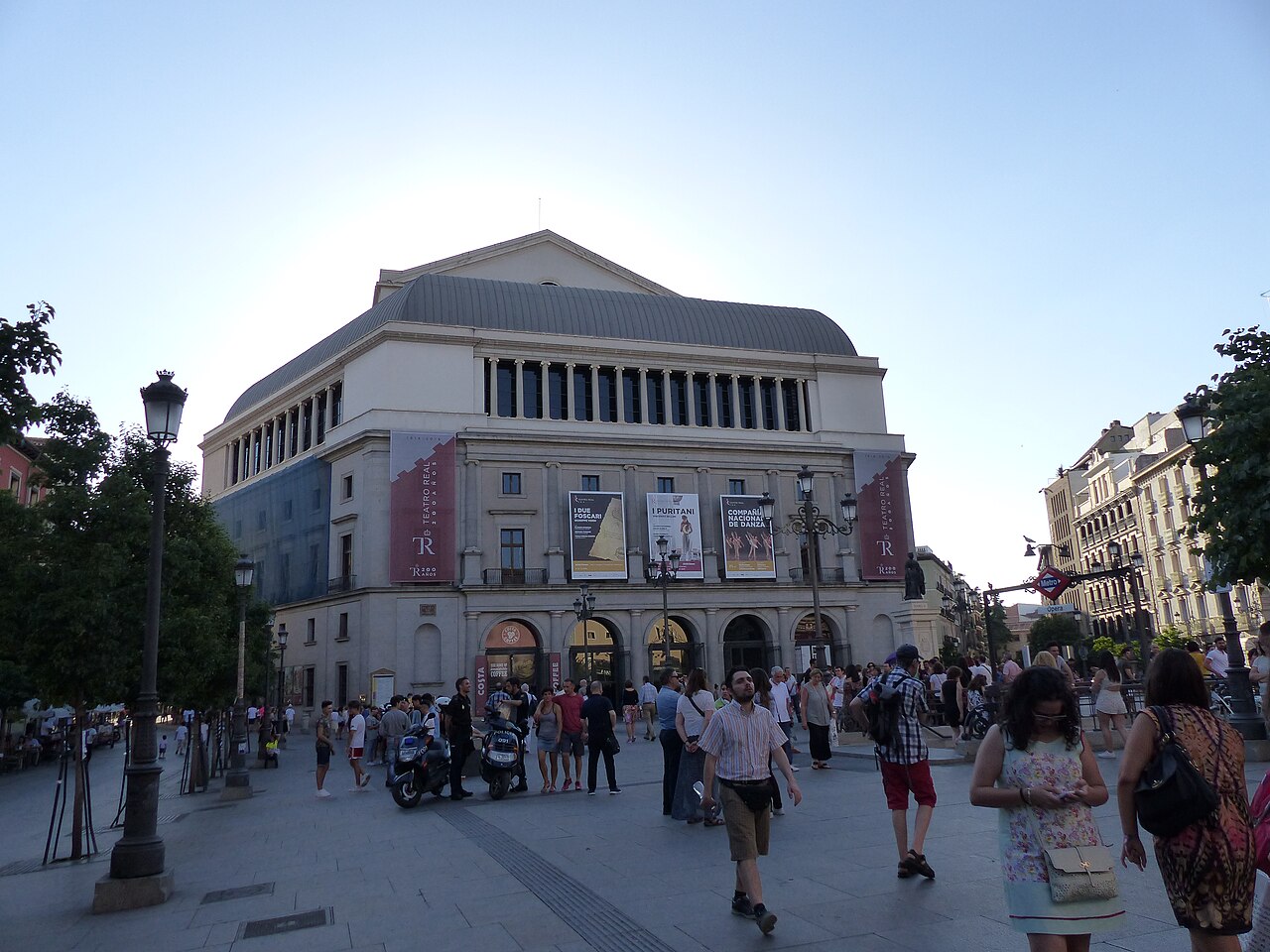
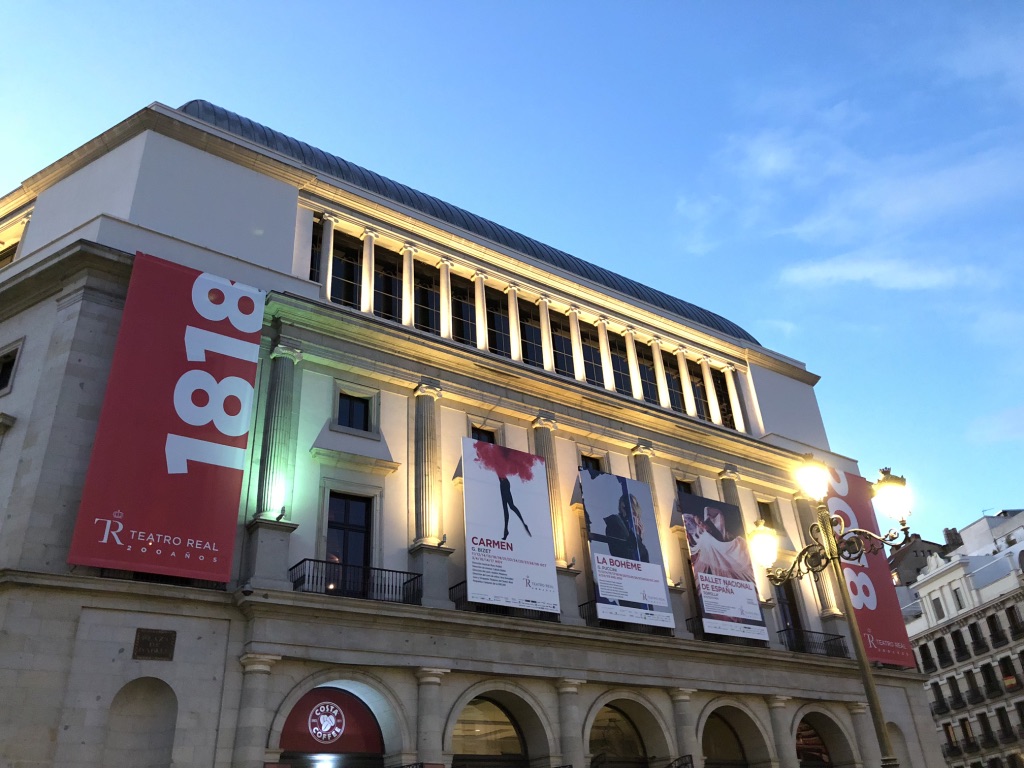
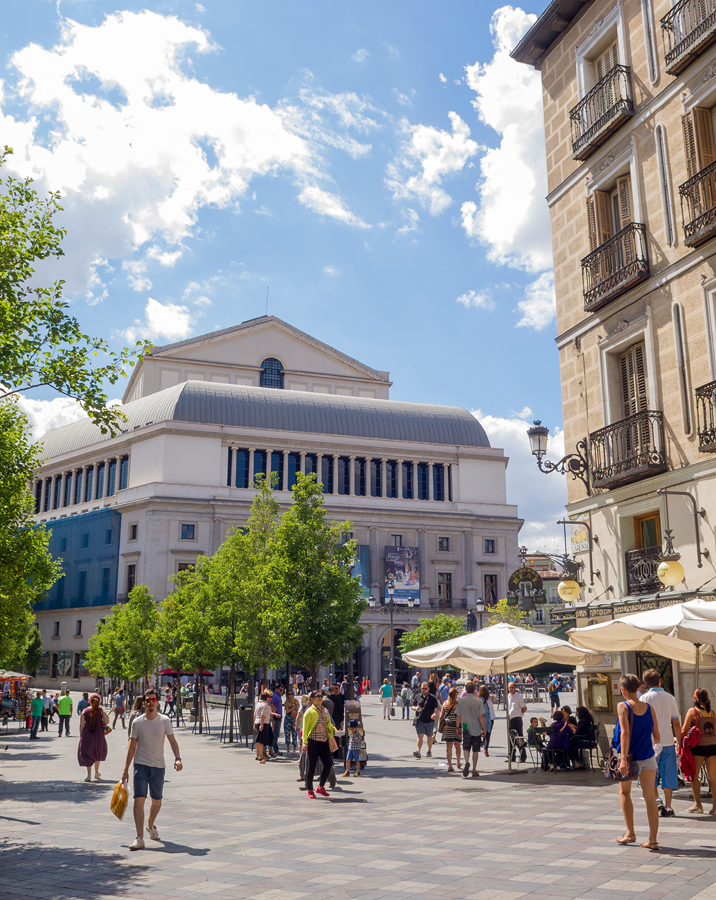
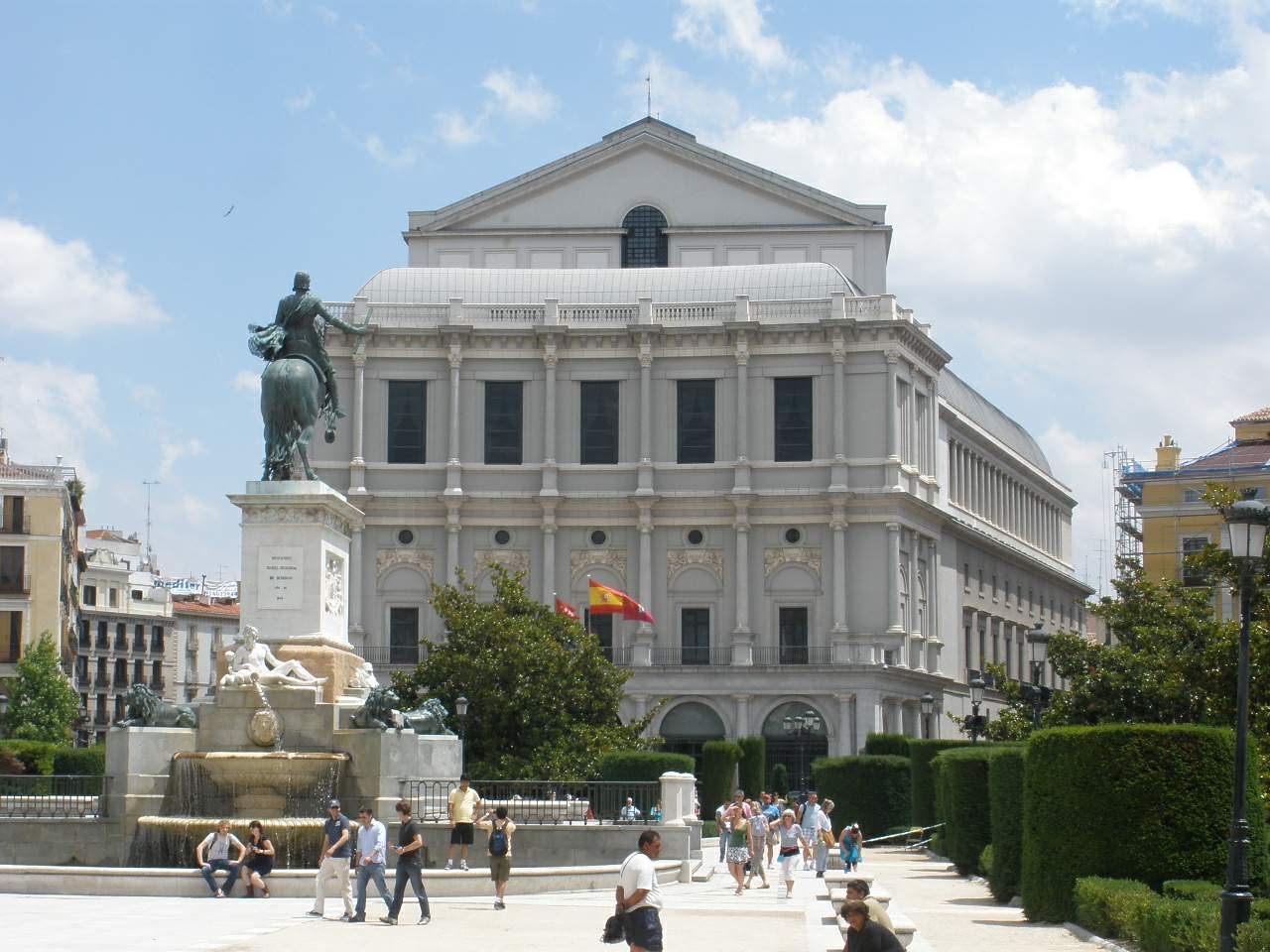
Teatro Real, affectionately called 'El Real' by locals, is Madrid's flagship opera house sitting on the Plaza de Oriente directly across from the Royal Palace. It is widely recognized as Spain's foremost institution for opera and musical performance.
What role does Teatro Real play in the European arts scene?
It serves as one of the continent's most prestigious opera venues, anchoring Spain's performing-arts calendar with major productions and orchestral events. The venue seats up to 1,958 audience members across a 78,210-square-metre building, making it one of the largest opera houses in Europe.
What is the full story arc of Teatro Real's history?
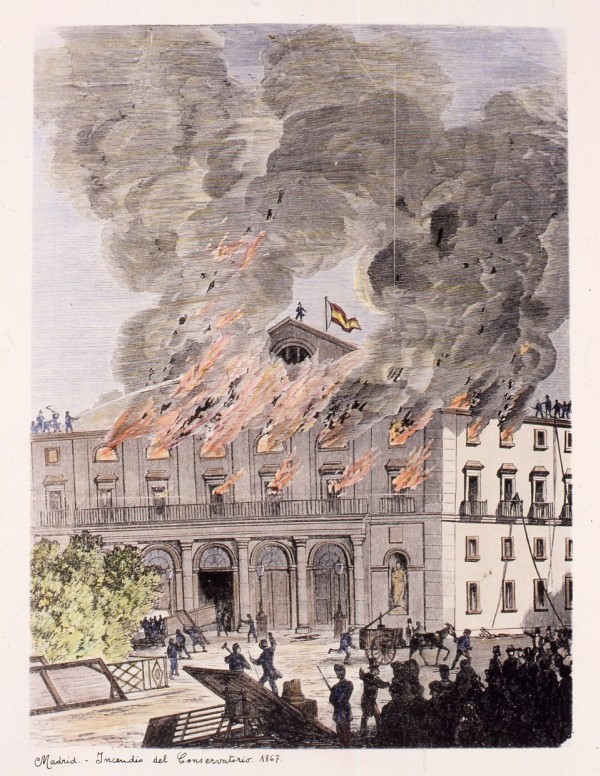
Ground was broken in April 1818, yet the building languished for years before its 1850 debut. After decades of neglect it was repurposed as a concert hall in 1966, and a sweeping restoration finally brought it back to full operatic life on 11 October 1997.
Why is Teatro Real considered a must-see cultural landmark?
Its position opposite the Royal Palace and its reputation as the country's top performing-arts institution make it a defining symbol of Madrid's artistic heritage. For fans of European opera, it ranks alongside the great houses of London, Vienna, and Paris.
When exactly did Teatro Real reopen as an opera house after its long hiatus?
The grand reopening took place on 11 October 1997, capping years of intensive renovation that restored the 19th-century structure to a world-class performance space. That date marks the modern era of 'El Real' as a fully operational opera venue.
More in Architectural Landmarks 1-24
Elsewhere in the Architectural Landmarks universe
Spotted an error? Know more?
This is a living reference — every entry is fact-audited, and reader corrections feed straight into our audit queue. Suggest an edit · See this site's audit record