Taipei 101

Balon Greyjoy · CC0
Lore & Background
Architect C.Y.
Reader's Guide
Its design incorporates features to withstand earthquakes and tropical storms, and its high-speed Toshiba elevators held the world speed record at completion. The building regularly appears as an icon of Taipei in international media, and its New Year's Eve fireworks displays are a regular feature of global broadcasts.
Did You Know?
- The building's design includes a ruyi symbol as an exterior feature on its adjoining multilevel shopping mall.
From Blueprint to Skyline: The Construction Saga
The building itself, however, was not structurally damaged. After a pause for safety inspections, work resumed in stages by late June. The build was a multinational effort led by Japan's Kumagai Gumi, with South Korea's Samsung C&T overseeing the main structural frame and RESE managing logistics and the foundation.
Engineering Marvels and Green Pioneering
They carried passengers from the 5th to the 89th floor in just 37 seconds, reaching a top velocity of 60.6 kilometers per hour. The tower's commitment to sustainability extended well beyond its record-breaking height. The building had already been designed with energy-conscious features, including double-pane windows that blocked half of external heat and a recycled-water system covering 20 to 30 percent of its needs. The path to platinum certification involved upgrades to wiring, water, and lighting systems at a cost of NT$60 million, guided by an international team including Siemens Building Technologies, the Steven Leach Group, and EcoTech International. The modifications were projected to save 14.4 million kilowatt-hours of electricity annually—an 18 percent reduction—translating into roughly NT$36 million in yearly energy-cost savings.
A Tower Rooted in Tradition, Built for Tomorrow
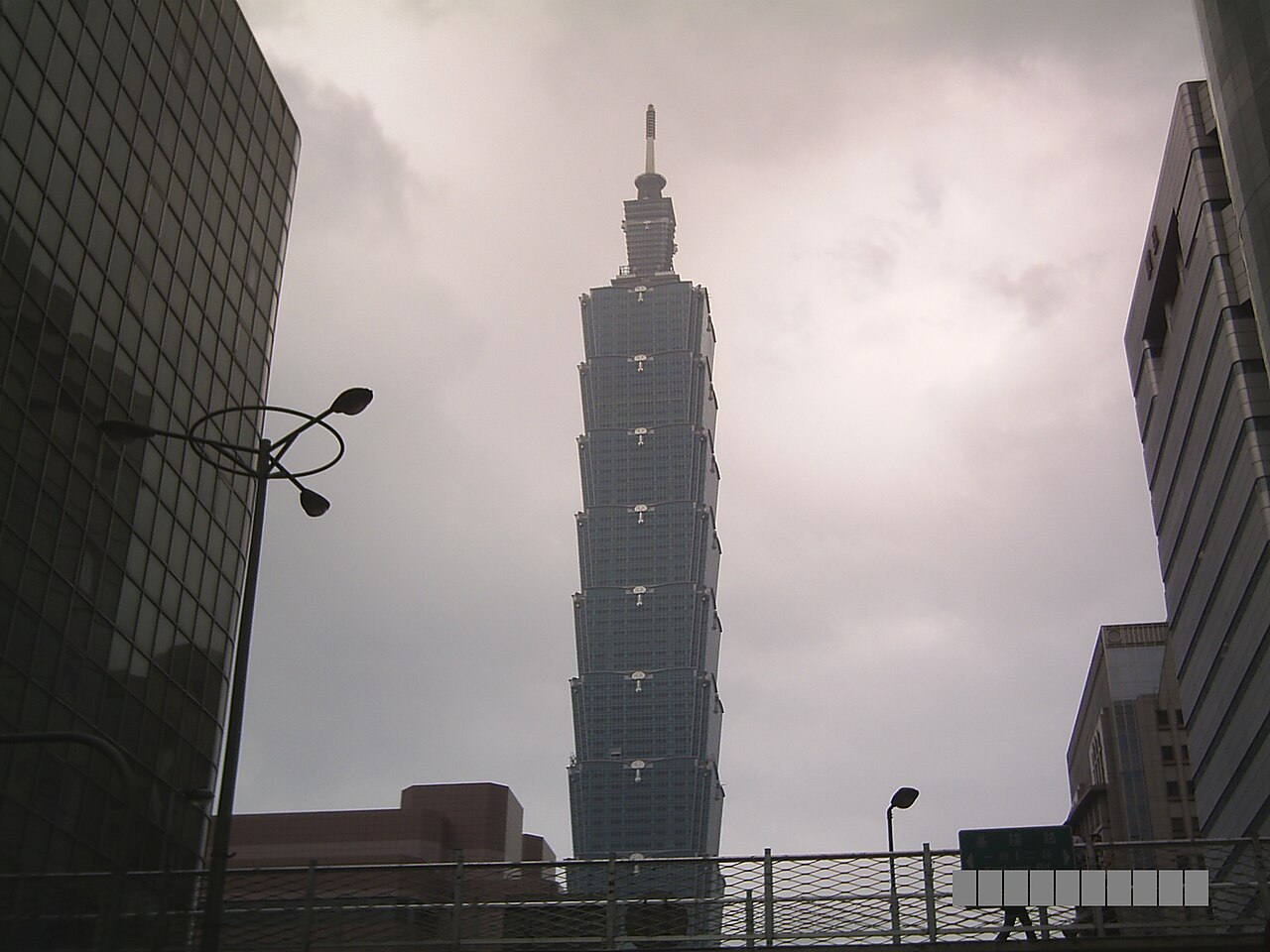
Inside, the tower serves as a vertical city: it houses offices, restaurants, retail shops, and both indoor and outdoor observatories that draw visitors to its upper levels. Adjacent to the main tower stands a multilevel shopping mall whose exterior features the world's largest ruyi symbol, a traditional Chinese motif associated with good fortune. The result is a structure that functions as both a commercial hub and a cultural statement, anchoring the skyline of one of Asia's most dynamic cities.
Global Icon and Living Landmark
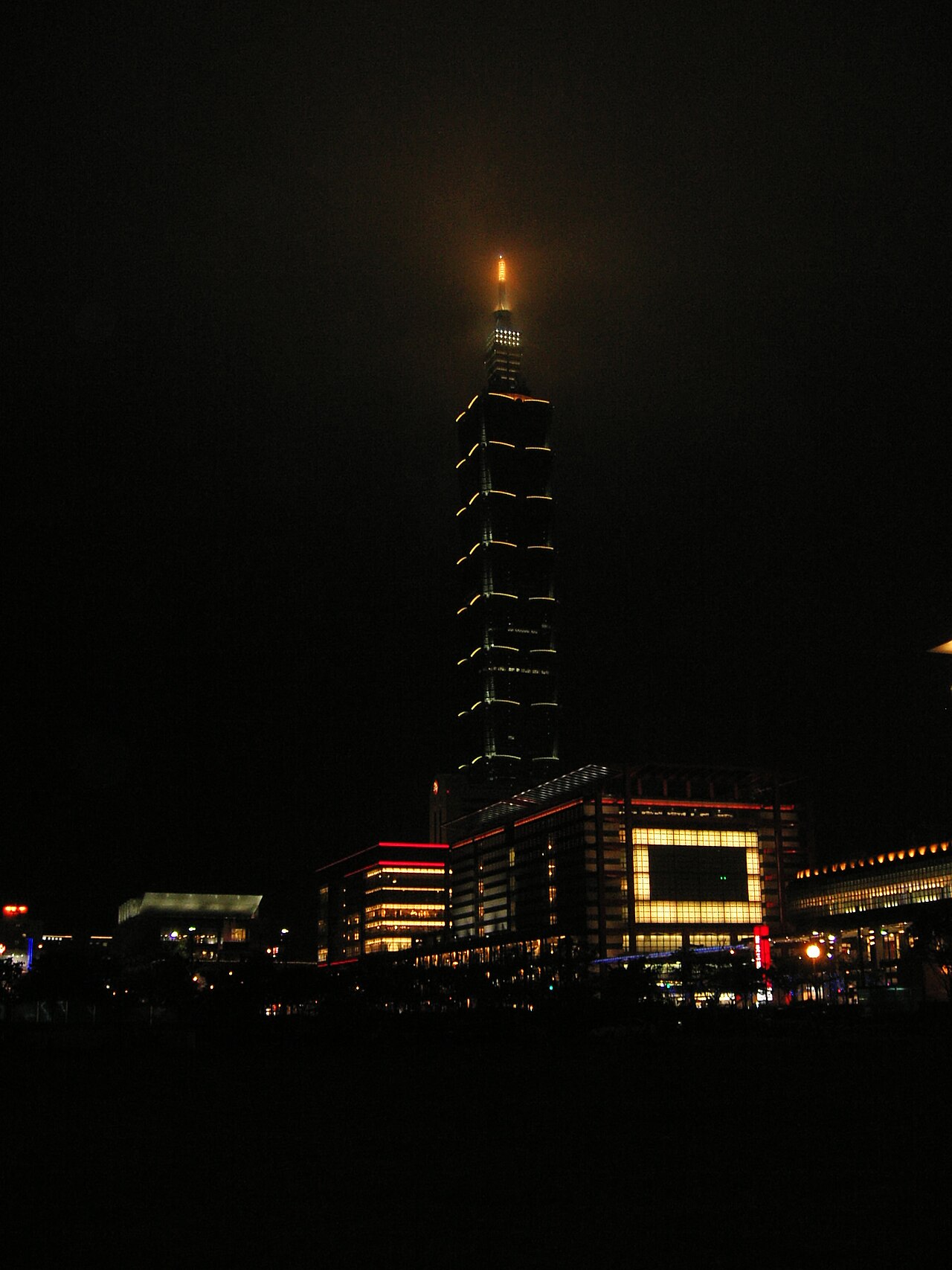
The tower has become a recognizable symbol of Taipei in international media, and its spectacular New Year's Eve fireworks displays are a staple of broadcasts around the world. During the early days of the COVID-19 pandemic, the adjacent shopping center began checking shoppers' temperatures in February, trimmed business hours in April, and resumed normal operations in June as Taiwan brought the outbreak under control. The tower regularly hosts art exhibits, special events, and celebrity appearances, reinforcing its role as a living cultural venue rather than merely a static monument.
Gallery
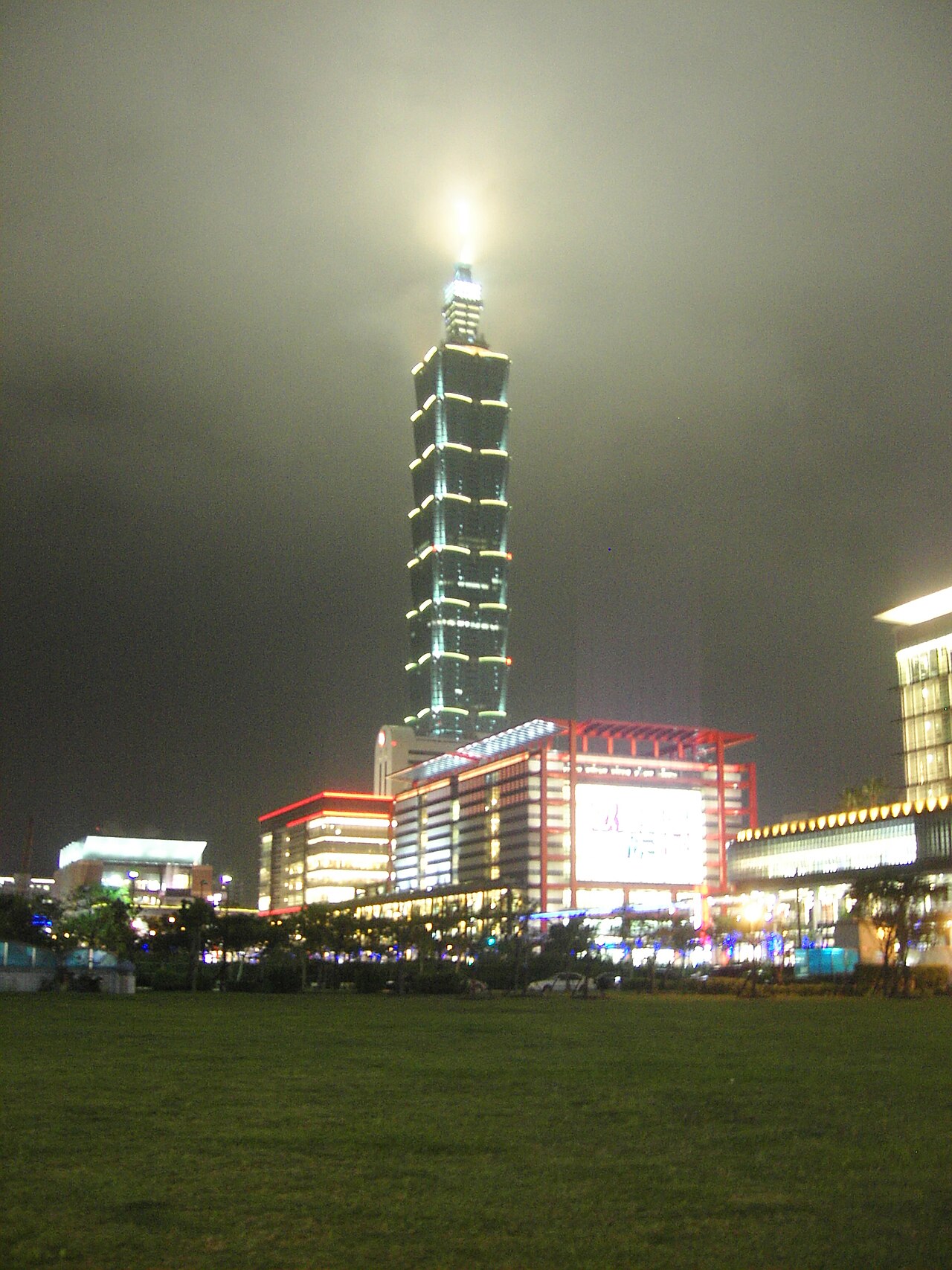
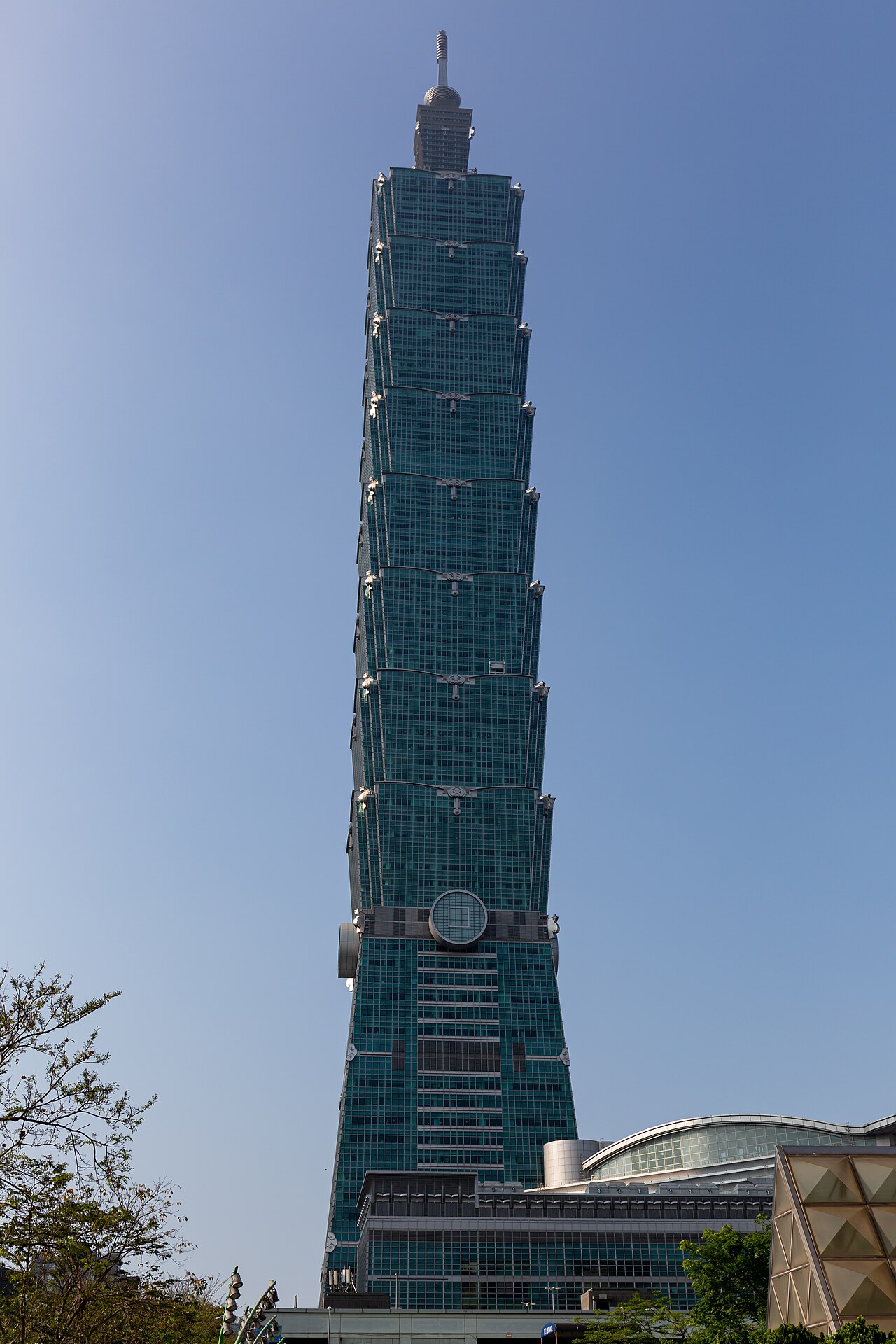
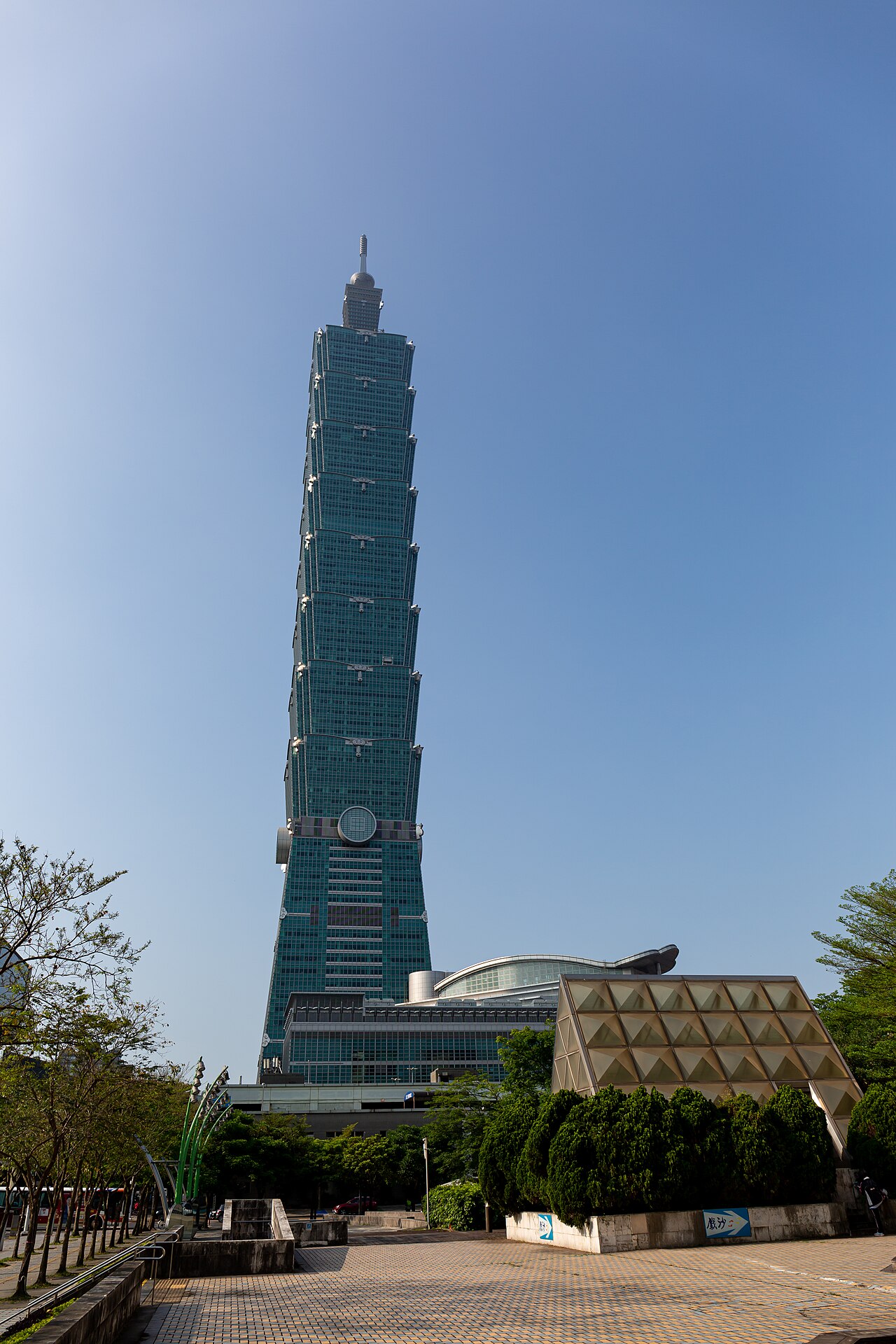
Frequently Asked Questions
Where is Taipei 101 located?
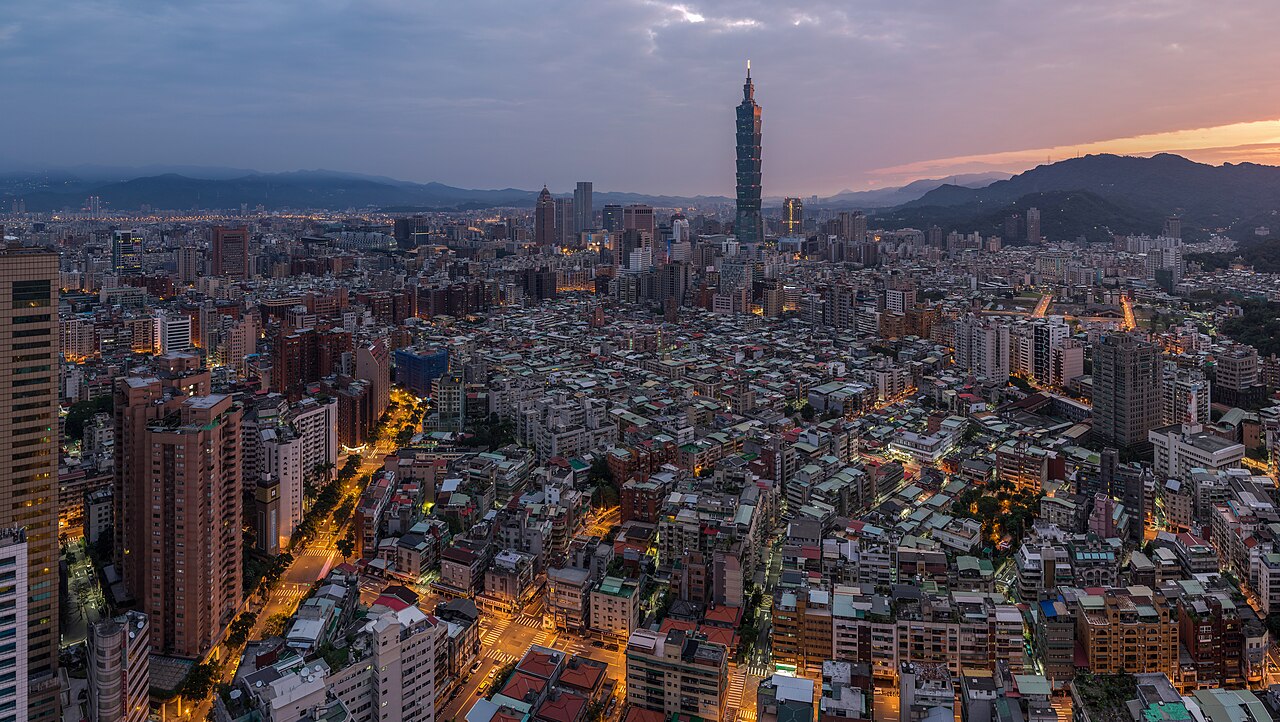
The skyscraper rises in the Xinyi District of Taipei, the capital city of Taiwan. Its spot in the city's financial and commercial core made it a natural anchor for the surrounding skyline.
Why is Taipei 101 important?
Beyond its height record, the building became a cultural icon for Taiwan and a visible symbol of the island's economic ambition in the early 2000s. Its segmented, bamboo-joint-inspired design also set it apart aesthetically from other supertall towers of that era.
More in Architectural Landmarks 1-24
Elsewhere in the Architectural Landmarks universe
Spotted an error? Know more?
This is a living reference — every entry is fact-audited, and reader corrections feed straight into our audit queue. Suggest an edit · See this site's audit record