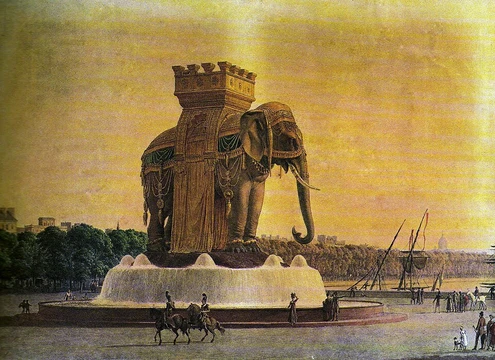
Taksim Square
Ancient Roman stadium in Plovdiv, built in the 2nd century AD, capital of Roman Thracia.

via Wikipedia: Stadium of Philippopolis · see source
The Stadium of Philippopolis was the ancient Roman stadium of Philippopolis (modern Plovdiv), built in the 2nd century AD, during the Roman imperial period. It is among the largest and best preserved buildings from the time of the Roman Empire in the Balkan Peninsula. At the time the stadium was built, Philippopolis was the capital of the Roman province of Thracia. The stadium, approximately 250 m (820 ft) long and 50 m (160 ft) wide, could seat up to 30,000 spectators. Today, the northern curved part of the stadium (the sphendone) is partially restored and is one of the most recognisable landmarks of the city among the many preserved buildings from Roman times.
- location
- Plovdiv, Bulgaria
- established
- 2nd century AD, during the reign of Emperor Hadrian (r. 117–138)
- notable_feature
- Northern curved part (sphendone) partially restored at Dzhumayata Square
- known_for
- Among the largest and best preserved Roman buildings in the Balkan Peninsula, ca
- current_status
- Partially restored; northern end visible at Dzhumayata Square, larger portion be
Verified Timeline
Lore & Background
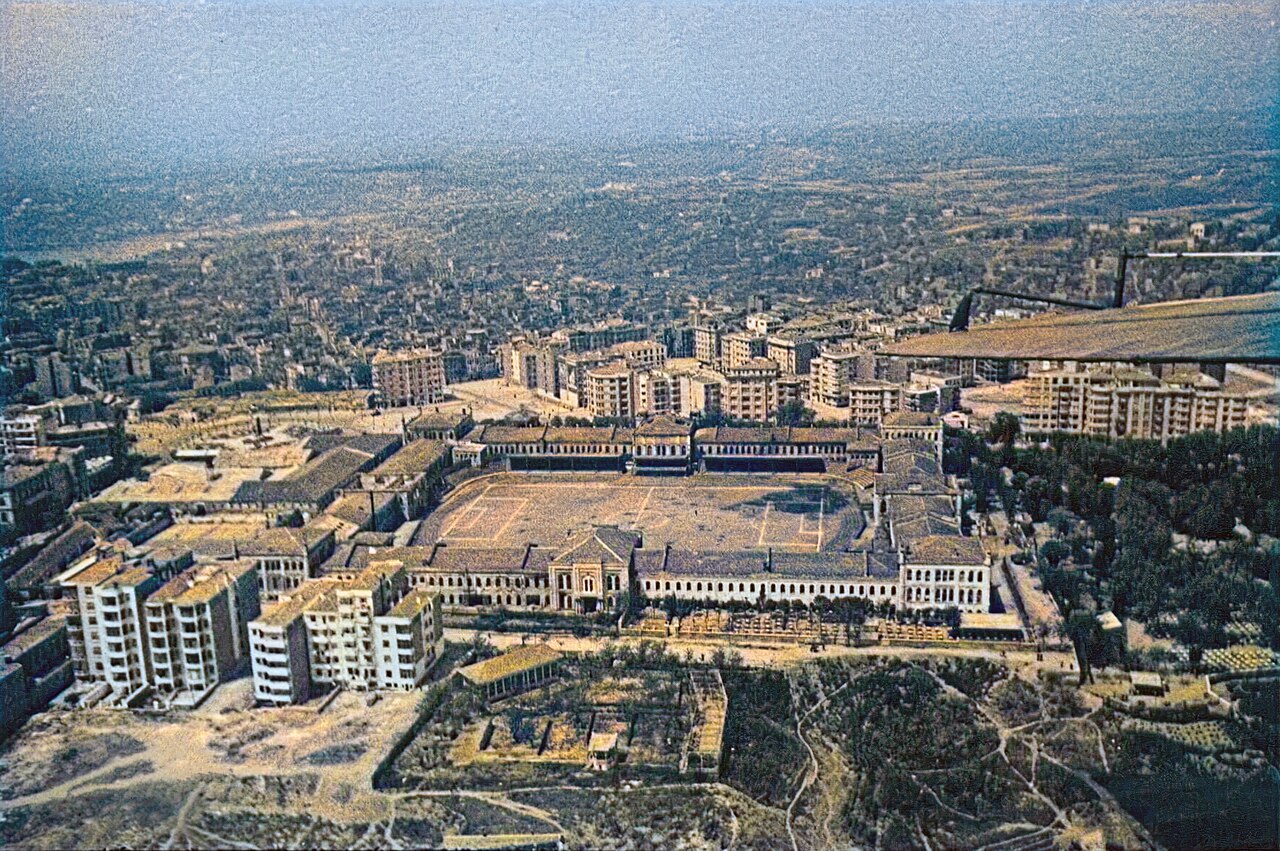
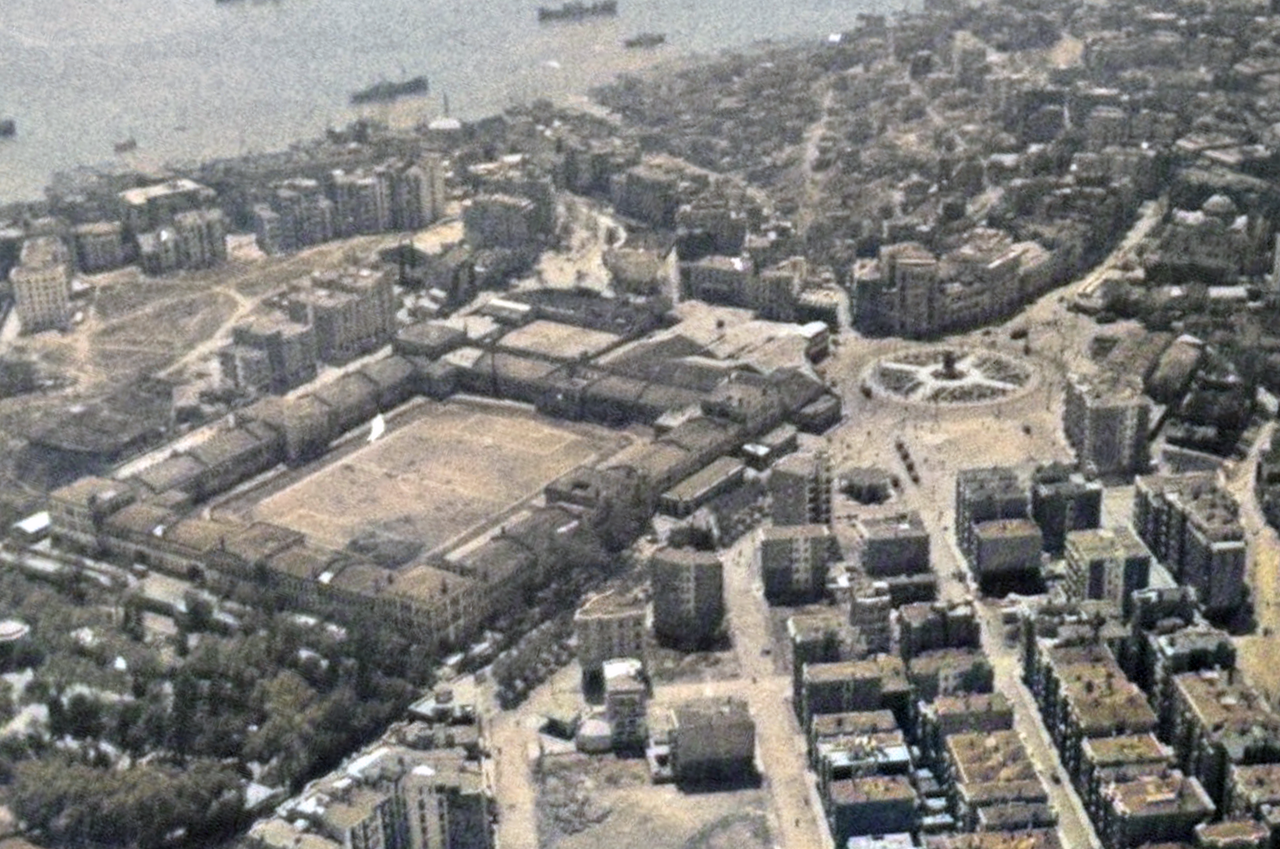
The stadium was built in the beginning of the 2nd century AD during the reign of the emperor Hadrian (r. 117–138). Unusually, it was situated within the fortified city close to the walls (most stadia elsewhere were placed outside the walls), in the natural bowl-shaped terrain between Taksim Tepe and Sahat Tepe. The stadium, approximately 250 m (820 ft) long and 50 m (160 ft) wide, could seat up to 30,000 spectators. The length of the track is one stadion – 625 Roman feet or 600 Greek feet, or approximately 180 m (590 ft). The spectators' seats are tiered in 14 rows, crossed by stepped aisles down to the track. The seats are made of solid marble blocks (40 cm high and 75 cm wide) and the front parts are decorated with stylized lion paws. The front part of the lowest row is revetted with massive marble 1.80-metre plates (orthostats) on solid marble blocks. The seats from the highest row had backrests. Like the other imperial buildings for spectacular events, the stadium had its seats of honour (Latin: ima cavea) preserved by inscriptions in the marble blocks. Seats with Greek inscriptions were found, proving the existence of special seats for members of higher public position. The outside walls of the cavea are built from granite ashlars, labelled with letters at some places. The architectural marble elements of the entrance and the orthostats on the front row were tied to each other with lead-set iron cramps. The main southern entrance to the stadium is formed by masonry pillars decorated with marble pilasters and reliefs. On the pilasters there are busts of Hermes (hermai) with prize vases decorated with palmettes placed above them, accompanied by the attributes of the god Heracles (the Roman Hercules) – his lion skin, club, and quiver. In front of the entrance a granite pavement was uncovered, consisting of hexagonal blocks – 0.70 by 0.70 m diagonally. The northern curved part of the stadium is in situ in Dzhumaya Square. Also a covered vaulted passage under the tiered rows of seats (cavea) links the track with the outside Roman road next to the city walls. In the 4th century AD this area was crossed by an ancient Roman aqueduct, the arch support of which remains.
Reader's Guide
Today, the stadium is located in the centre of Plovdiv, under the main pedestrian street. The northern end of the edifice can be observed at Dzhumayata Square. The larger portion still lies beneath the buildings along the main street, running south from the visible part where parts are visible in basements of several shops. The stadium was discovered in 1923. More elaborate excavations were undertaken about half a century later by the archaeologist Liliya Botusharova. In 1995 the stadium was listed as a cultural value of national significance. In 2010–2013, the area around the stadium was further renovated. According to the epigraphic and numismatic monuments games similar to the Pythian Games in Greece were held in the town. To honour the visit of the Roman emperor Caracalla (r. 198–217) in 214, the games were called "Alexandrian" while the games for the visit of his successor Elagabalus (r. 218–222) in 218 were called "Kedrisian Games". The games were organised by the General Assembly of the province of Thrace (Latin: Thracia). In their honour the royal mint of Trimontium coined money featuring the face of the ruling emperor as well as the types of athletic events held in the ancient stadium. A marble slab stone was found during the excavations of the sphendone, proving that there were games celebrating the deified lover of the emperor Hadrian – Antinous. The votive tablet dedicated to Antinous is exhibited in the Plovdiv Regional Archaeological Museum Plovdiv. Athletes competed in two categories of age – men and boys. Agonothetes (organisers of the sport events) presided over the games. The latter started with a contest for criers and buglers. Sporting events were usually accompanied by music, poetry and art contests.
Did You Know?
- The stadium was built in the beginning of the 2nd century AD during the reign of the emperor Hadrian (r. 117–138).
- The length of the track is one stadion – 625 Roman feet or 600 Greek feet, or approximately 180 m (590 ft).
- The spectators' seats are made of solid marble blocks (40 cm high and 75 cm wide) and the front parts are decorated with stylized lion paws.
- A marble slab stone was found during the excavations of the sphendone, proving that there were games celebrating the deified lover of the emperor Hadrian – Antinous.
- The stadium was discovered in 1923, and more elaborate excavations were undertaken about half a century later by the archaeologist Liliya Botusharova.
Historical Context & Provincial Prestige
Constructed in the early second century AD under the reign of Emperor Hadrian, the Stadium of Philippopolis ranks among the most impressive surviving structures from the Roman imperial era on the Balkan Peninsula. At the time of its erection, Philippopolis served as the capital of the Roman province of Thracia, a distinction that elevated the city's civic and cultural ambitions well beyond those of a typical provincial settlement. The stadium's placement is particularly noteworthy: rather than sitting outside the city fortifications as was customary for most Roman stadia, it was tucked into a natural bowl-shaped depression between the hills of Taksim Tepe and Sahat Tepe, close to the defensive walls. This unusual siting within the fortified perimeter suggests that the civic authorities of Philippopolis regarded the venue as an integral part of urban life rather than a peripheral entertainment facility. The decision to invest in such a large-scale public building during Hadrian's reign reflects the province's desire to project imperial grandeur through monumental architecture and to assert its status as the administrative heart of Thracia.
Architecture & Construction
The structure stretches roughly 240 metres in length and 50 metres in width, with a running track measuring approximately 180 metres — a distance equivalent to one classical stadion of 625 Roman feet. The spectator seating rises in fourteen tiered rows, each separated by stepped aisles descending to track level. Individual seats were carved from solid marble blocks standing 40 centimetres high and 75 centimetres wide, their front edges adorned with stylised lion-paw motifs. The lowest row was reinforced with massive 1.80-metre marble orthostats, while the topmost tier featured backrests for comfort. Greek inscriptions on certain marble blocks mark the ima cavea, a reserved section for high-ranking public figures. The exterior walls of the seating bowl were built from granite ashlars, some bearing letter labels, and decorative marble elements were secured with lead-set iron cramps. The grand southern entrance is framed by masonry pillars with marble pilasters bearing sculpted busts of Hermes, topped by prize vases with palmette decoration, flanked by the symbolic attributes of Heracles — his lion skin, club, and quiver. A hexagonal granite pavement, with blocks measuring 0.70 metres diagonally, extended in front of this entrance.
The Games & Provincial Cultural Life
Epigraphic and numismatic evidence reveals that the stadium hosted grand athletic festivals modelled on the Pythian Games of Greece. When Emperor Caracalla visited the city in 214 AD, the provincial authorities staged a special event dubbed the Alexandrian Games in his honour. Four years later, his successor Elagabalus was greeted with the Kedrisian Games in 218. Both events were organised under the authority of the General Assembly of the province of Thracia, underscoring the stadium's role as a provincial rather than merely municipal institution. The royal mint at Trimontium struck commemorative coins bearing the reigning emperor's portrait alongside depictions of the athletic disciplines performed in the arena. Excavations also uncovered a marble slab confirming that games were held in celebration of Antinous, the deified companion of Hadrian; a votive tablet dedicated to him is now displayed in the Plovdiv Regional Archaeological Museum. Competition was divided into two age categories — men and boys — and presided over by officials known as agonothetes. Each festival opened with a contest for criers and buglers, and the sporting programme was regularly accompanied by musical performances, poetry recitals, and artistic exhibitions.
Discovery, Preservation & Modern Legacy
The stadium's existence was first brought to light in 1923, though more systematic archaeological work did not begin until roughly half a century later, when the archaeologist Liliya Botusharova led more elaborate excavations. In 1995 the site received formal recognition as a cultural value of national significance, and a further round of renovation work took place between 2010 and 2013 around the visible portions of the structure. Today the stadium occupies a remarkable position in the urban fabric of Plovdiv: it lies directly beneath the city's main pedestrian street in the centre of town. The northern curved section, known as the sphendone, has been partially restored and stands at Dzhumayata Square, where it has become one of the most instantly recognisable Roman landmarks in a city rich with preserved antiquities. The larger southern portion remains buried beneath modern buildings, though fragments of the ancient seating can still be glimpsed in the basements of several shops along the street. A covered vaulted passage beneath the tiered rows once connected the track to the Roman road running alongside the city walls, and the arch support of a fourth-century aqueduct that crossed the site still survives.
Gallery
Frequently Asked Questions
What is Taksim Square?
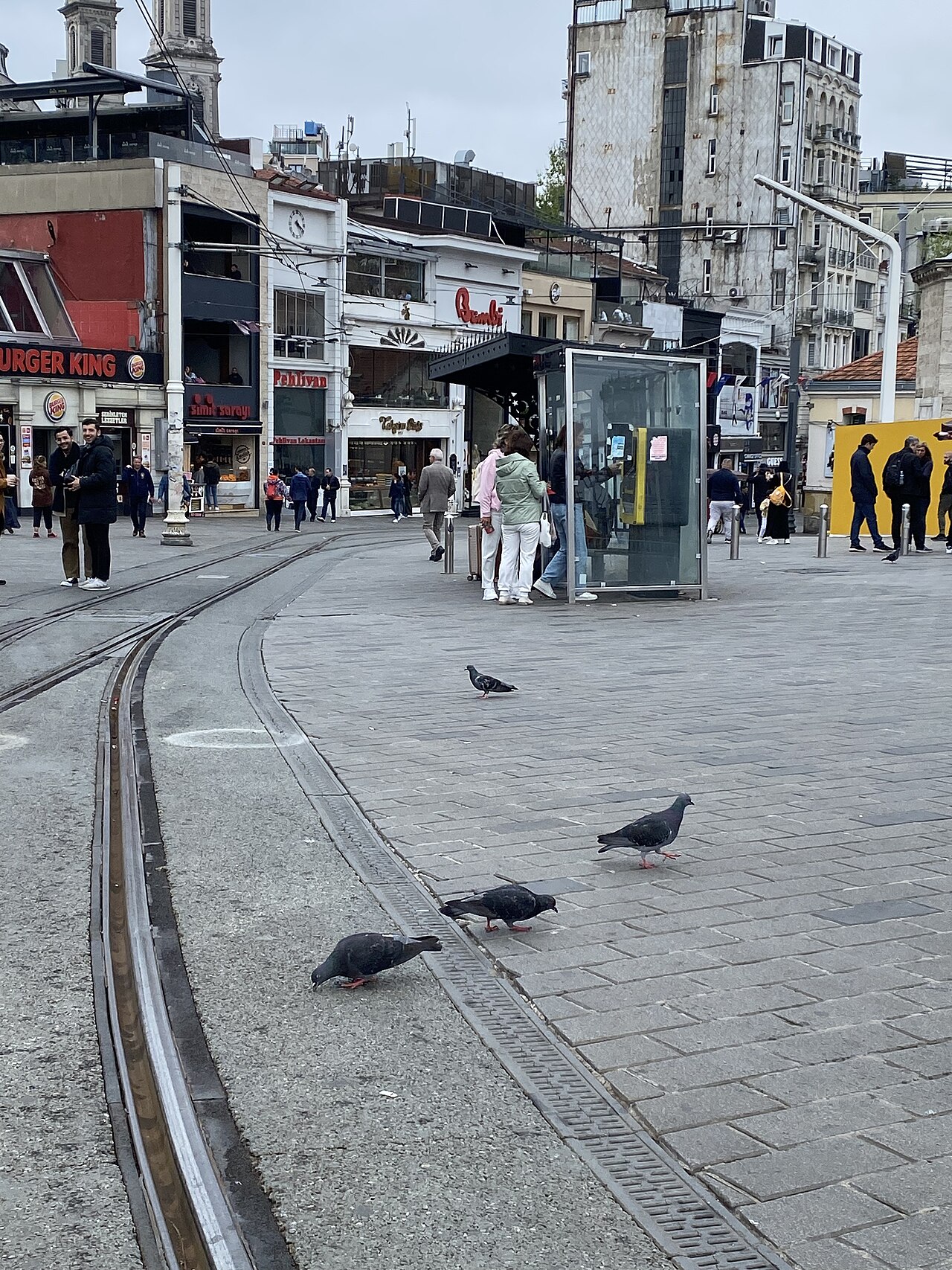
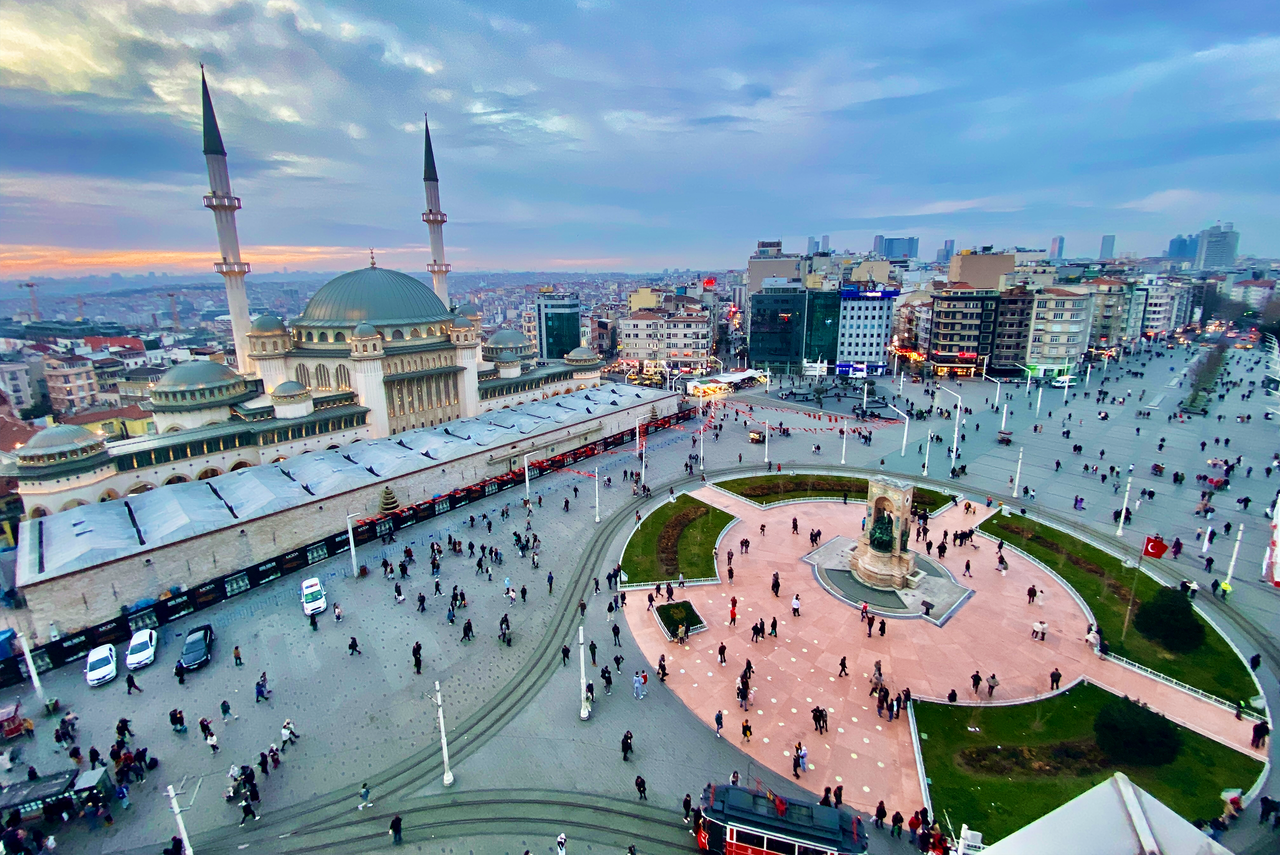
It is a central public square in the Beyoğlu district on Istanbul's European side, functioning as the city's main metro interchange and a dense cluster of restaurants, shops, and hotels. It is widely regarded as the beating heart of modern Istanbul.
What is the Republic Monument at Taksim Square?
The sculptural monument was unveiled in 1928 to mark the fifth anniversary of Turkey's declaration as a republic in 1923. It remains the square's most recognizable landmark and a focal point for civic remembrance.
Why is Taksim Square important to Istanbul?
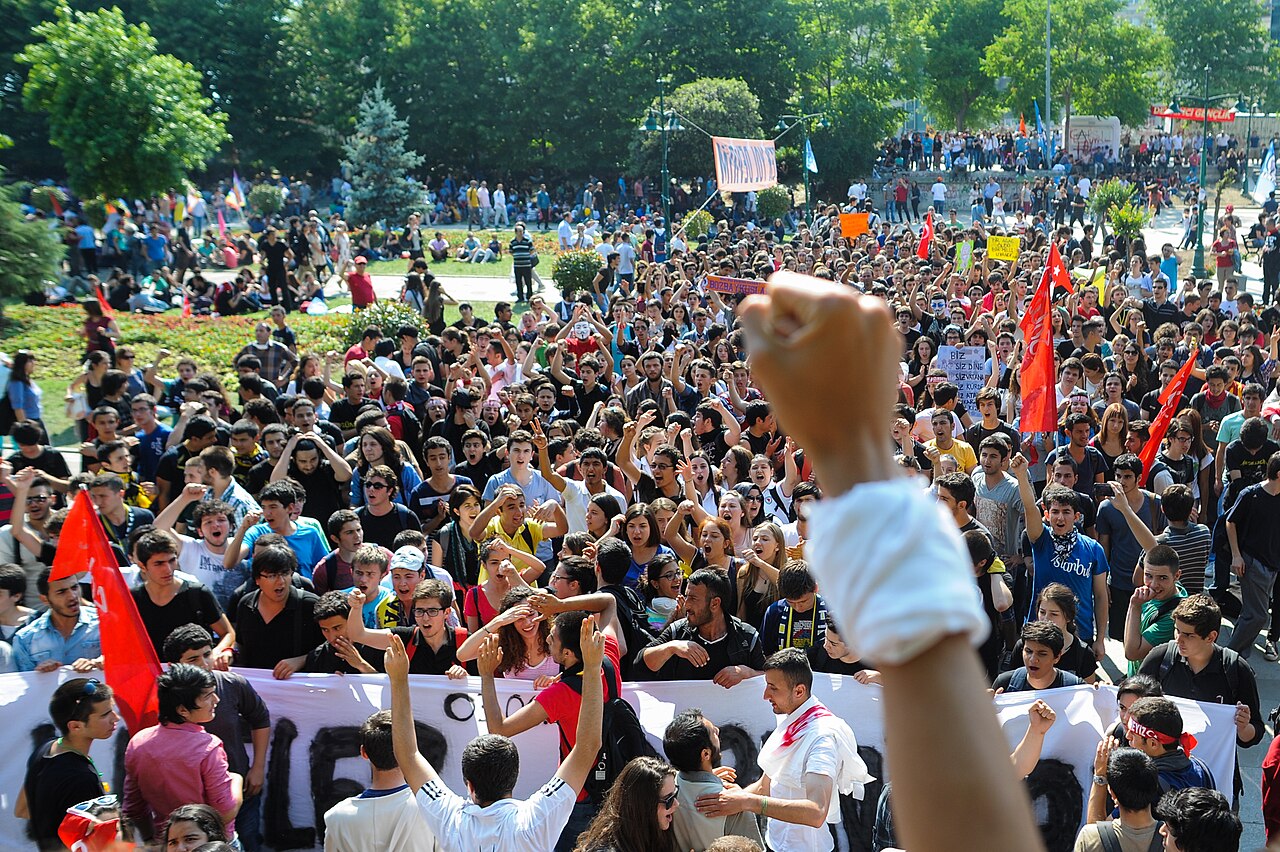
It anchors the Beyoğlu leisure corridor and serves as the central hub of the Istanbul Metro network. Its symbolic weight grew further after the 2013 Gezi Park demonstrations turned the area into a flashpoint for public protest.
Where exactly is Taksim Square located?
It sits in the Beyoğlu neighborhood on the European side of Istanbul, Turkey. The site dates back to the Ottoman era, when it originally functioned as a water-distribution point under Sultan Mahmud I.
What is Taksim Square's current status?
The square remains an active public space and transportation node, though authorities have restricted large-scale demonstrations there since 2016. It continues to operate as a commercial and tourist district in the heart of the city.
More in Architectural Landmarks 1-24
Elsewhere in the Architectural Landmarks universe
Spotted an error? Know more?
This is a living reference — every entry is fact-audited, and reader corrections feed straight into our audit queue. Suggest an edit · See this site's audit record