
Teatro di San Carlo

Carlo Raso · Public domain
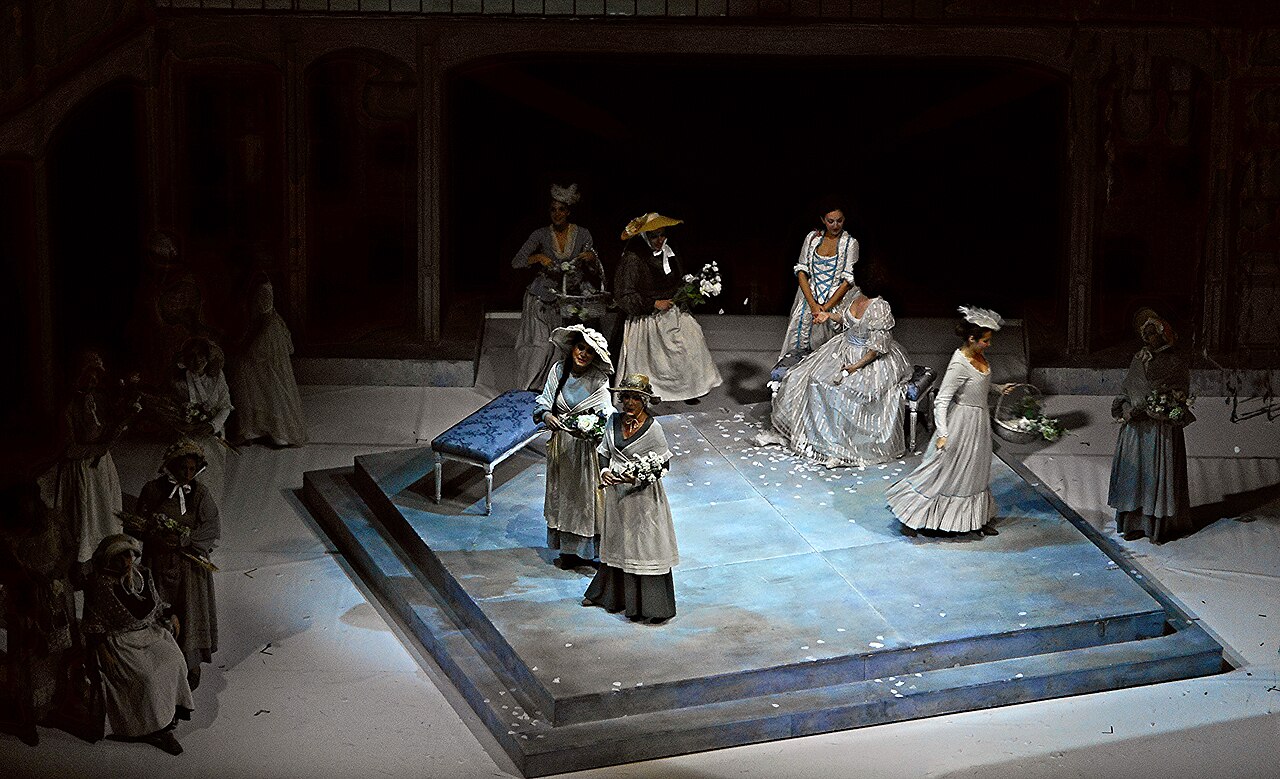
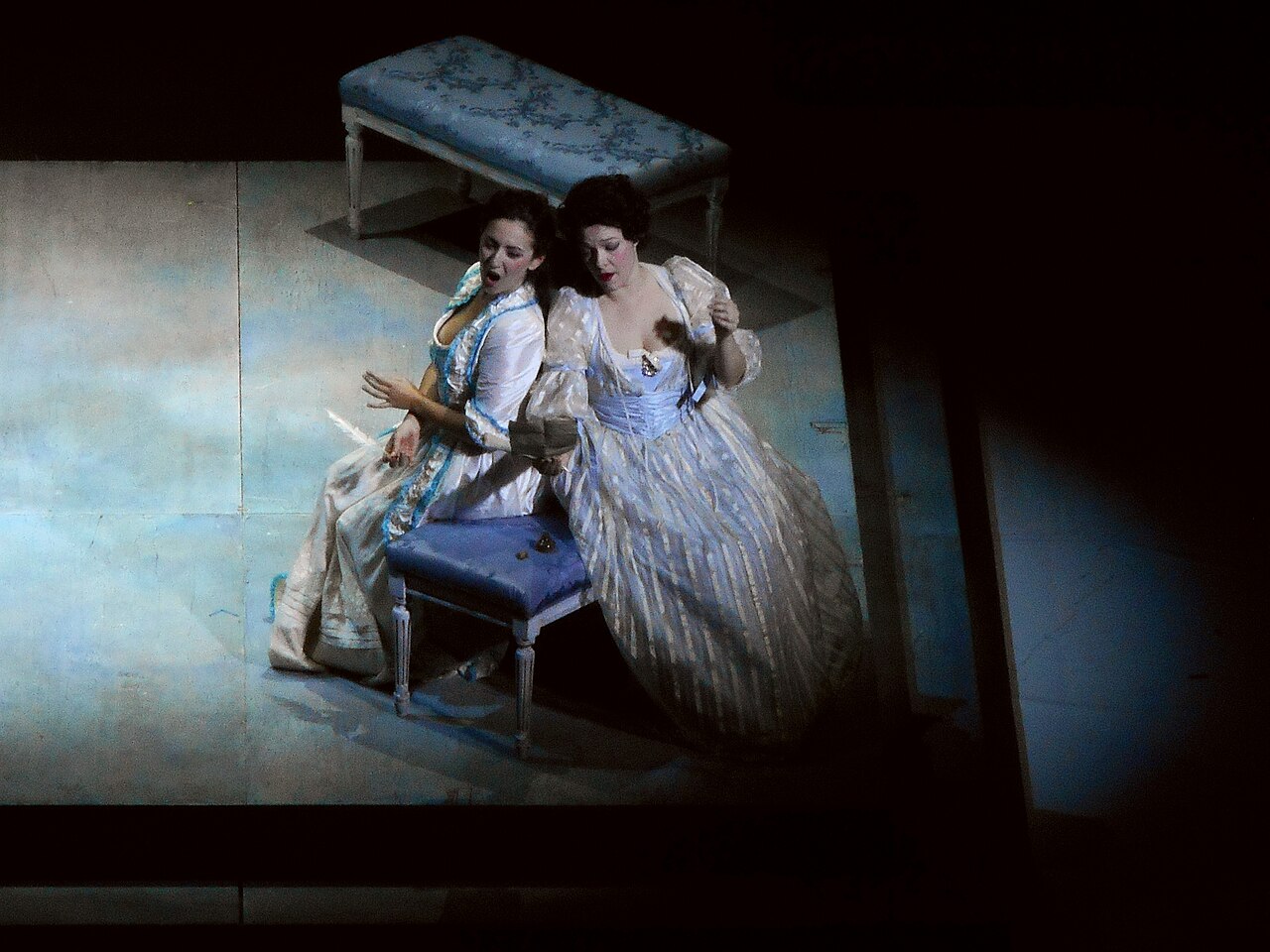
The Teatro di San Carlo, originally named the Real Teatro di San Carlo by the Bourbon monarchy, is a historic opera house in Naples, Italy, connected to the Royal Palace and adjacent to the Piazza del Plebiscito. The opera season runs from late November to July, with the ballet season from December to early June.
Lore & Background
The Real Teatro di San Carlo was commissioned by the Bourbon King Charles VII of Naples, who wanted a new and larger theatre to replace the old Teatro San Bartolomeo.
Reader's Guide
The Teatro di San Carlo holds a central place in the history of opera as the oldest continuously active venue for the art form. The house hosted premieres and performances by major composers of the Neapolitan school, including Feo, Porpora, Leo, Traetta, Piccinni, Vinci, Anfossi, Durante, Jommelli, Cimarosa, Paisiello, Zingarelli, and Gazzaniga, as well as foreign composers such as Hasse, Haydn, Johann Christian Bach, and Gluck.
From Monastery to Neoclassical Masterpiece
The estate that would become one of Lombardy's most impressive neoclassical residences began its life as a modest medieval monastery. By the seventeenth century, however, the original structure had deteriorated significantly. The transformation came in the 1770s and 1780s, when Count Enrico Mozzi, who had wed Francesca Alamanni, commissioned a complete rebuilding of the estate in the Palladian tradition. The resulting design drew inspiration from two celebrated Milanese landmarks—the Royal Villa of Monza and the Teatro alla Scala—and is credited to the local architect Giovanni Moroni, a pupil of Giuseppe Piermarini. Situated in the frazione of Sottoriva di Locate Bergamasco, just outside Ponte San Pietro in the province of Bergamo, the villa stands today as a prime example of eighteenth-century rural palace architecture in northern Italy.
A Lineage Forged Through Marriage and Loss
Count Giovanni Battista Mozzi, the elder surviving son of Enrico and Francesca, shaped the next chapter of the family's story through a series of consequential marriages. The nuptial ceremony took place at Bergamo Cathedral, with the couple's uncle Luigi Mozzi presiding over the mass. Tragedy struck quickly: Countess Angela perished in childbirth, leaving behind a single daughter, Angela Mozzi, who became the family's sole heiress. Girolamo Mapelli, and their children inherited the combined surname and heraldic arms of Mapelli Mozzi. The lineage continued when their son took Ippolita Giulini di Vialba as his wife, thereby assuming the jure uxoris title of Count Alessandro Mapelli Mozzi.
Titles, Patents, and the Dual Estate
The formal ennoblement of the family reached its culmination in the early twentieth century. This dual naming reflected the intertwined histories of the two houses that had merged through Angela Mozzi's marriage to Girolamo Mapelli. Beyond the Ponte San Pietro property, the family also maintained a second seat bearing the same name at Casatenovo, a location nestled between Bergamo and the shores of Lake Como. Together, these two estates underscored the breadth of the Mapelli Mozzi holdings in the Lombard landscape, a presence stretching back to the fifteenth century and continuing through successive generations of the patrician line.
Frescoes, Collections, and Royal Connections
Inside the Ponte San Pietro villa, attention is drawn to a grand staircase that ascends to the piano nobile, where the walls bear the work of three distinguished painters: Vincenzo Angelo Orelli, Paolo Vincenzo Bonomini, and Agostino Comerio. The property has long served as the repository for the family's substantial art collection, which at one point was curated by the internationally active art dealer Count Alex Mapelli Mozzi. His daughter-in-law is the current Princess Beatrice, linking the family to the British royal household. Other notable members include Count Carlo Mapelli Mozzi, who married Princess Beatrice Barberini, and Marchesa Carmela Pallavicino, née Mapelli Mozzi. Although the surrounding park welcomes the public, the interior remains closed to outside visitors, preserving the private character of this storied Lombard residence.
Gallery
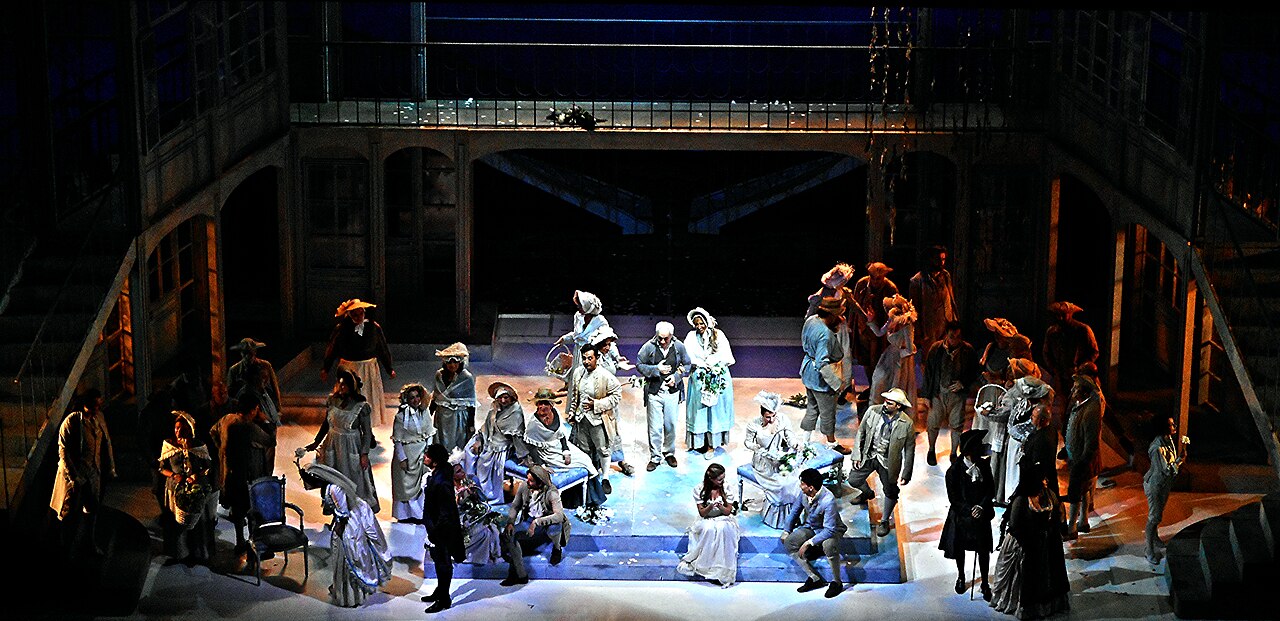
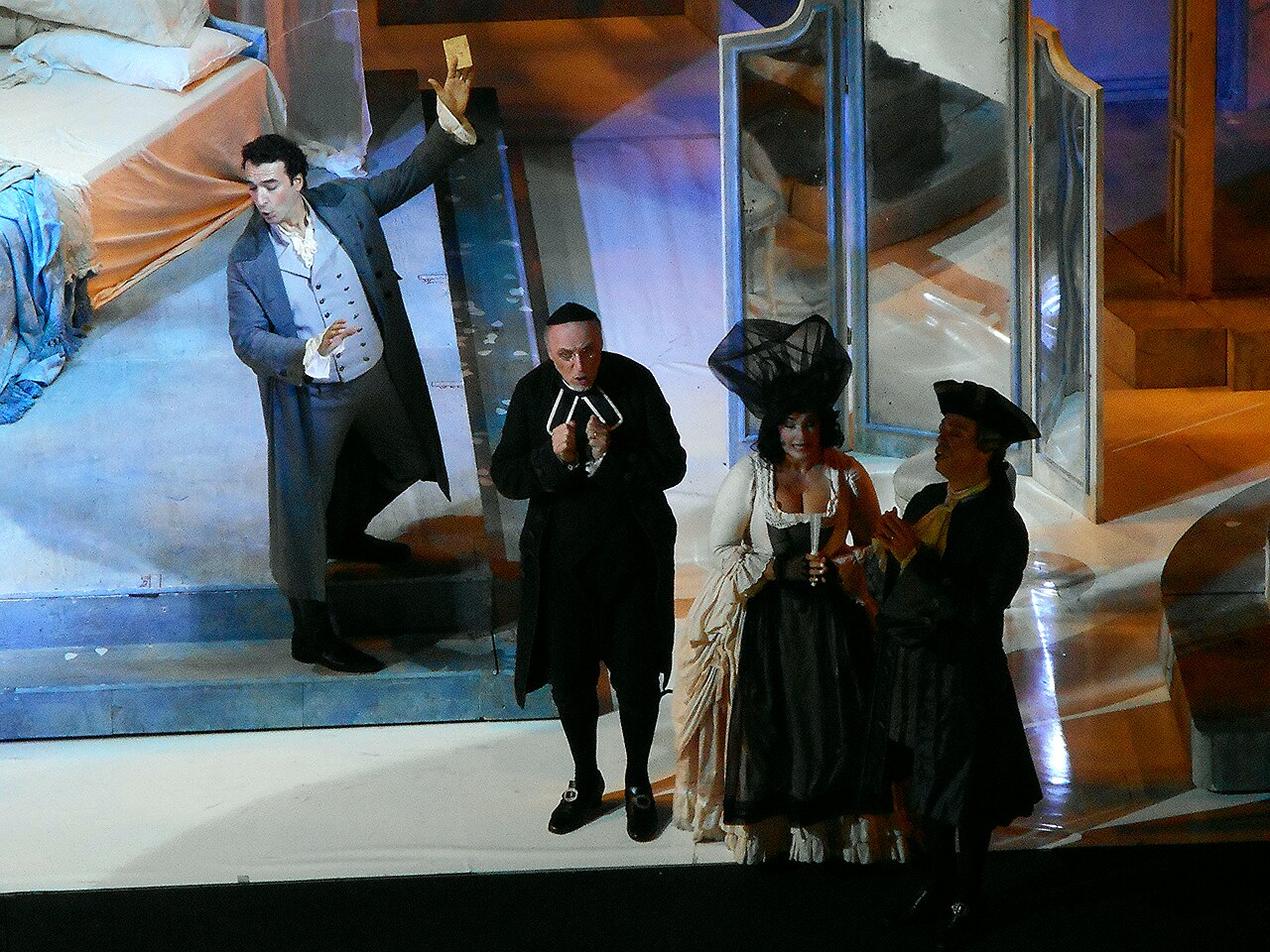
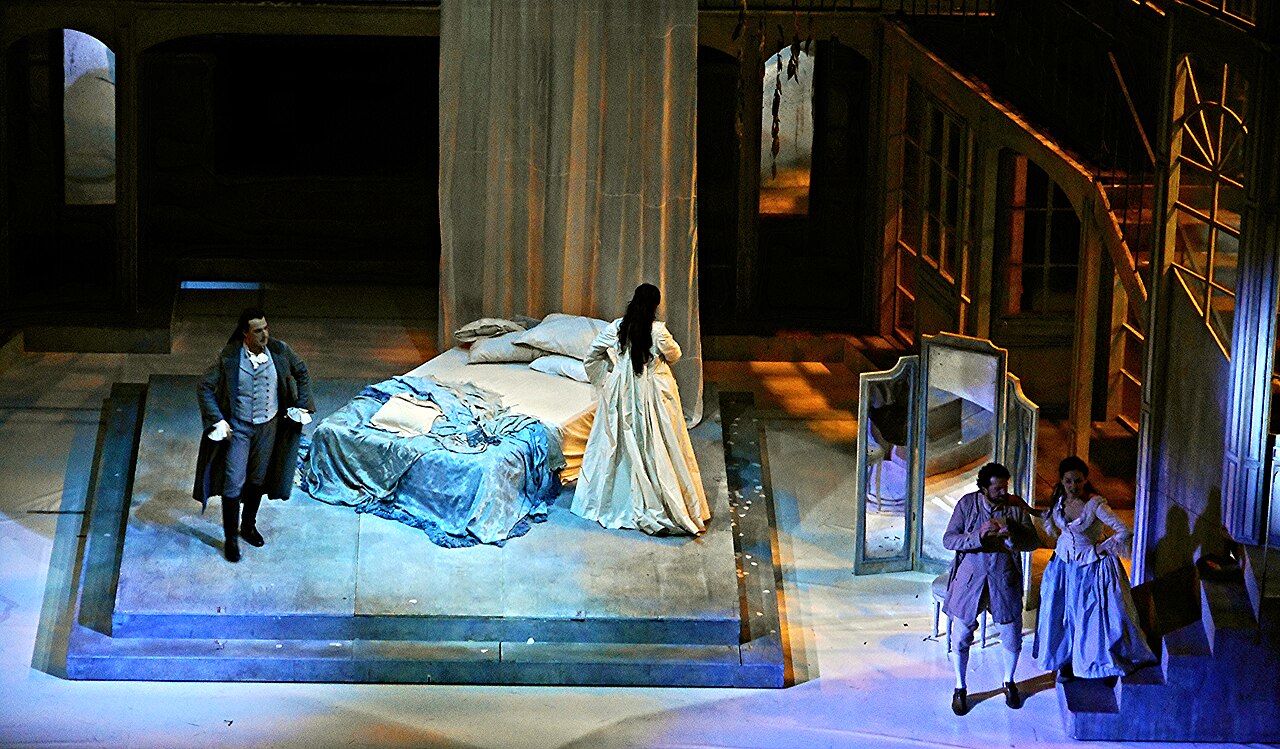
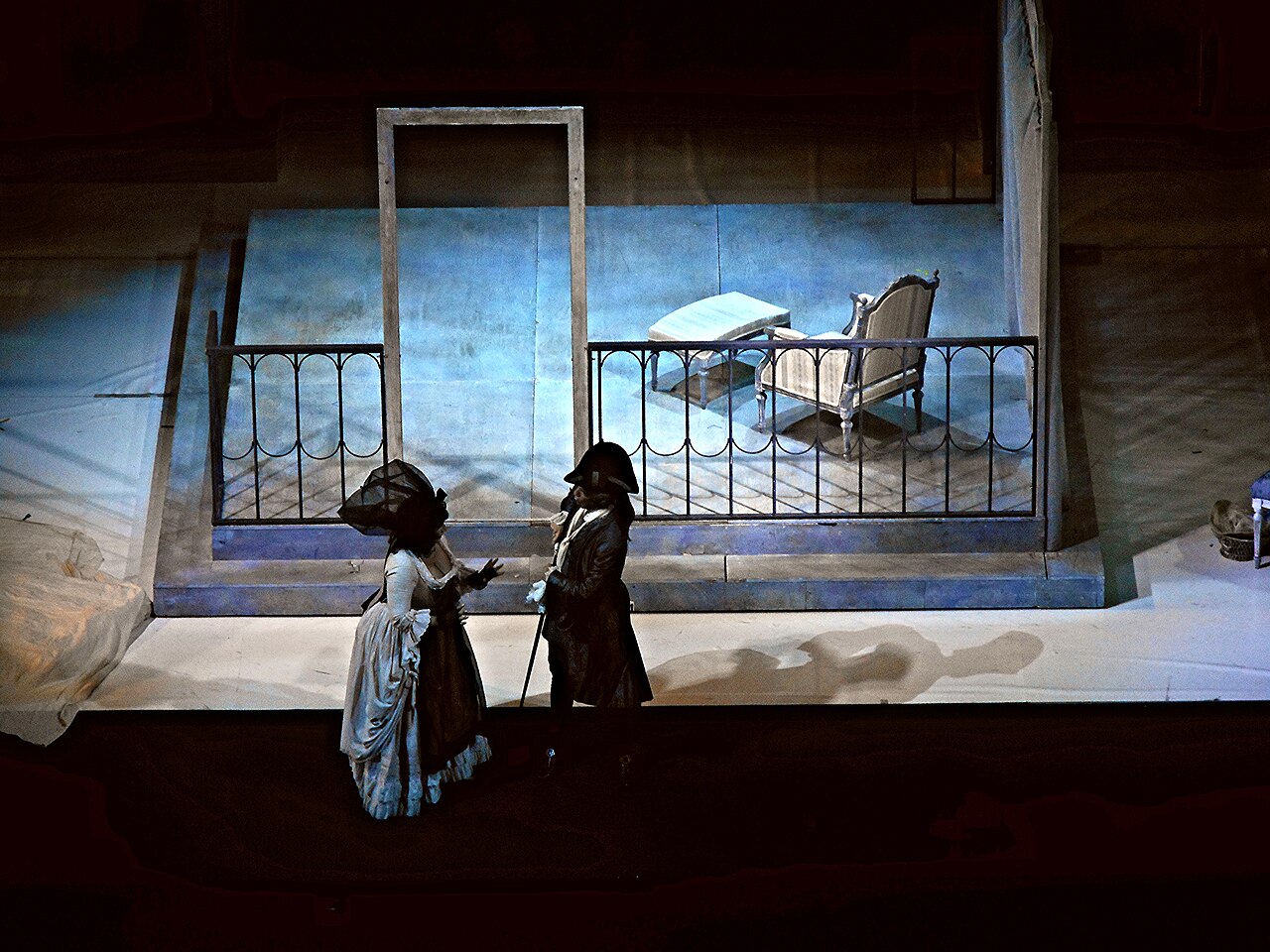
Frequently Asked Questions
Where exactly is the Teatro di San Carlo located?
The theater sits in central Naples, physically linked to the Royal Palace and positioned alongside the Piazza del Plebiscito.
When does the Teatro di San Carlo hold its performance seasons?
The opera season stretches from late November through July, while the ballet season runs from December to early June.
More in Architectural Landmarks 1-24
Elsewhere in the Architectural Landmarks universe
Spotted an error? Know more?
This is a living reference — every entry is fact-audited, and reader corrections feed straight into our audit queue. Suggest an edit · See this site's audit record